Waking Up With a Dry Mouth? Here’s What Your Body Might Be Telling You
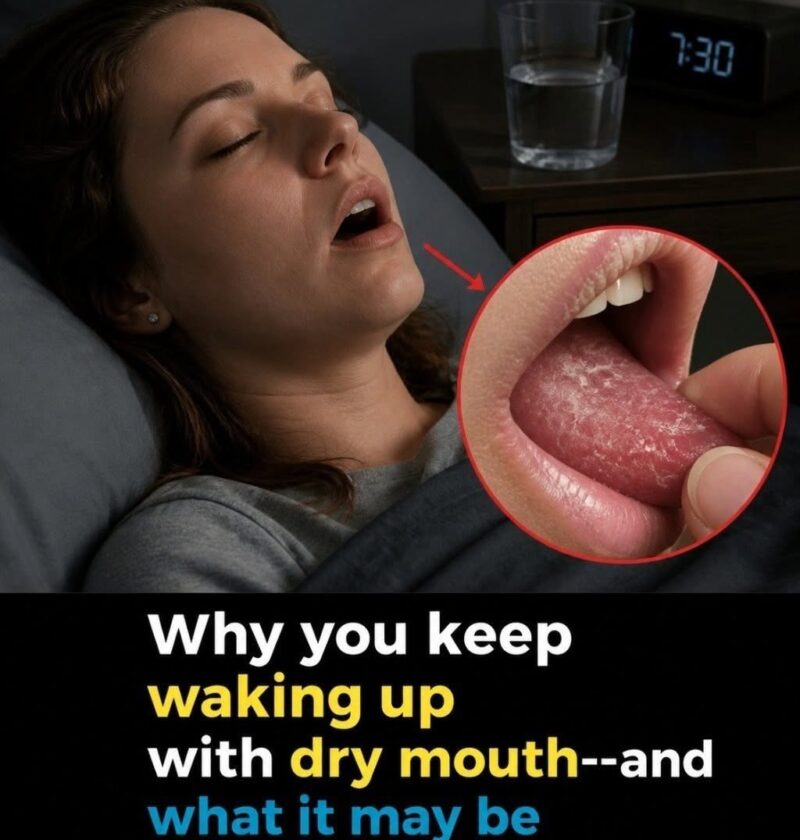
Waking up with a dry mouth is common, but it can be your body’s way of signaling changes in hydration, sleep habits, medications, or overall health. While an occasional dry mouth is usually not a cause for concern, frequent morning dryness may be worth paying attention to.
1. You May Be Breathing Through Your Mouth at Night
If your nose is blocked from allergies, a cold, or congestion, you may naturally switch to mouth breathing while asleep. This can reduce moisture in your mouth and leave you waking up feeling dry or uncomfortable.
2. You Could Be Dehydrated
Not drinking enough fluids during the day, exercising heavily, sweating, or consuming alcohol before bed can contribute to dehydration and reduced saliva production overnight.
3. It Could Be Linked to Snoring or Sleep Apnea
People who snore or have obstructive sleep apnea often breathe through their mouths during sleep. Other warning signs can include loud snoring, waking up gasping, morning headaches, and feeling tired despite getting enough sleep.
4. Your Medication May Be Playing a Role
Many commonly used medicines can cause dry mouth as a side effect, including some allergy medications, antidepressants, pain medicines, and blood pressure treatments.
5. It May Be Related to Blood Sugar Levels
Persistent dry mouth combined with increased thirst, frequent urination, unusual fatigue, or unexplained weight changes can sometimes be associated with high blood sugar and should be discussed with a healthcare professional.
6. Age-Related Changes Can Affect Saliva
As people get older, saliva production may decrease. Older adults are also more likely to take medications that can contribute to mouth dryness.
7. Your Sleeping Environment Could Be Too Dry
Dry air from heating, air conditioning, or low humidity can make morning mouth dryness worse.
What You Can Do
- Drink enough water throughout the day.
- Keep your bedroom air comfortably humid if needed.
- Address nasal congestion or allergies.
- Avoid alcohol close to bedtime.
- Maintain regular dental care, since dry mouth can increase the risk of cavities.
When to Get Medical Advice
Speak with a healthcare professional if dry mouth is frequent, persistent, or accompanied by:
- Difficulty swallowing
- Mouth sores or frequent cavities
- Excessive thirst or frequent urination
- Loud snoring or daytime sleepiness
- A sudden change after starting a new medication
A dry mouth is not always a sign of a serious problem, but it can provide useful clues about your hydration, sleep quality, and overall health.