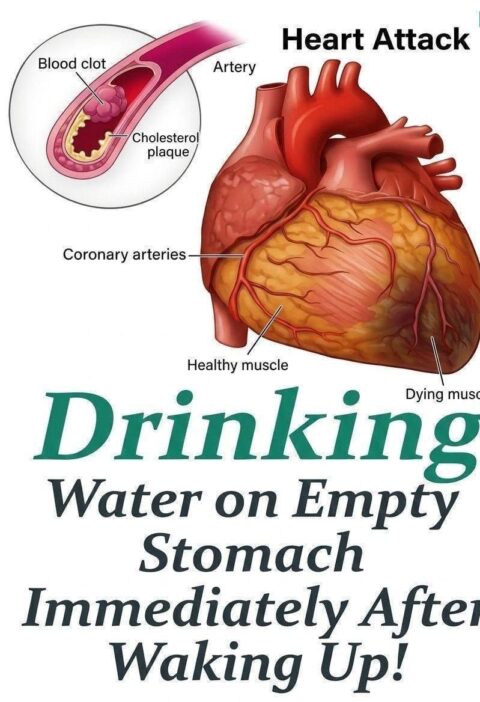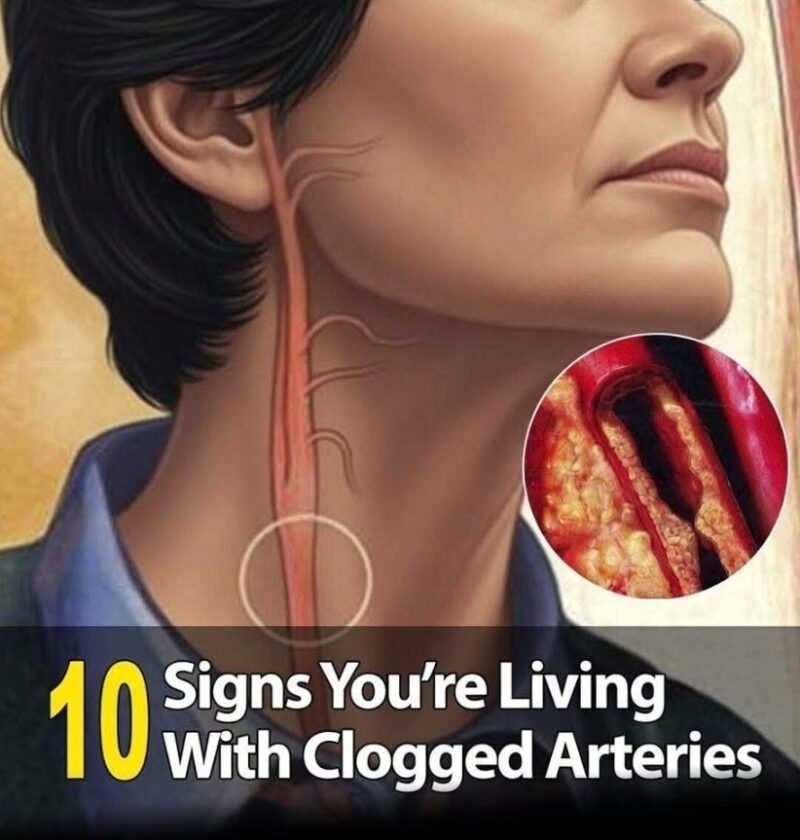
Blocked or narrowed arteries (often due to atherosclerosis) may not cause symptoms until blood flow is significantly reduced. The warning signs also depend on which arteries are affected.
Here are 10 symptoms that can indicate blocked arteries and should be evaluated by a healthcare professional:
- Chest pain or pressure (angina) – Often described as squeezing, heaviness, or tightness, especially during physical activity or emotional stress.
- Shortness of breath – May occur during exertion or even at rest if the heart isn’t getting enough blood.
- Pain in the arms, shoulders, neck, jaw, or back – Reduced blood flow to the heart can cause pain that radiates beyond the chest.
- Pain or cramping in the legs when walking (claudication) – This may indicate narrowed arteries in the legs and often improves with rest.
- Coldness, numbness, or weakness in a limb – Can occur if blood flow to an arm or leg is reduced.
- Sudden weakness or numbness on one side of the body – May be a sign of reduced blood flow to the brain or a stroke.
- Difficulty speaking or understanding speech – Another possible warning sign of a stroke.
- Sudden vision loss or blurred vision – Especially in one eye, this can indicate a temporary or permanent reduction in blood flow.
- Slow-healing wounds or sores on the feet or legs – Poor circulation can delay healing, particularly in people with diabetes.
- Erectile dysfunction – In some men, this can be an early sign of peripheral or generalized vascular disease.
Important points
- Many people with blocked arteries have no symptoms until they experience a heart attack or stroke.
- These symptoms can have causes other than blocked arteries, so they do not necessarily mean you have arterial disease.
- Risk factors include smoking, high blood pressure, high cholesterol, diabetes, obesity, physical inactivity, and a family history of cardiovascular disease.
Seek emergency care immediately if you have:
- Chest pain that lasts more than a few minutes, is severe, or is accompanied by shortness of breath, sweating, nausea, or pain spreading to the arm, jaw, neck, or back.
- Sudden facial drooping, arm weakness, speech difficulty, or sudden vision changes, as these may be signs of a stroke.
Early evaluation and treatment can significantly reduce the risk of serious complications.