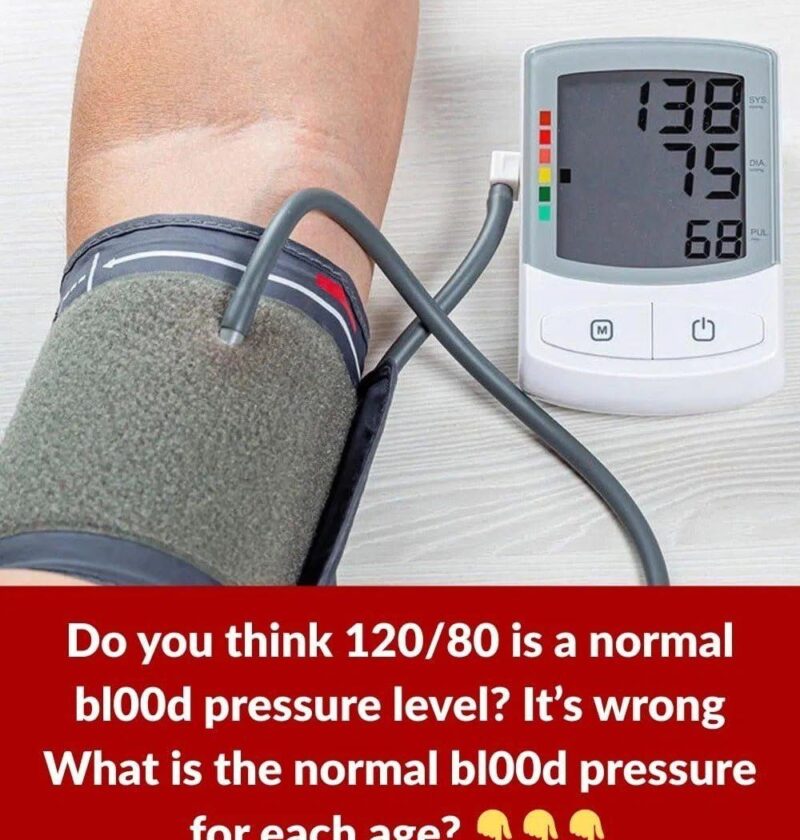
There is not a different “normal” blood pressure for every age group. For most adults, the same general blood pressure categories apply, although blood pressure tends to rise somewhat with age.
| Category | Systolic (top number) | Diastolic (bottom number) |
|---|---|---|
| Normal | Less than 120 | Less than 80 |
| Elevated | 120–129 | Less than 80 |
| High blood pressure (Stage 1) | 130–139 | 80–89 |
| High blood pressure (Stage 2) | 140 or higher | 90 or higher |
| Hypertensive crisis* | 180 or higher | 120 or higher |
*A hypertensive crisis requires prompt medical evaluation, especially if accompanied by symptoms such as chest pain, severe headache, shortness of breath, confusion, or vision changes.
By age
While the target for healthy adults is generally the same regardless of age, these are common expectations:
- 18–39 years: Around 90/60 to less than 120/80 mmHg is generally considered healthy.
- 40–59 years: The goal remains less than 120/80 mmHg, though mildly higher readings become more common.
- 60 years and older: The goal is still generally less than 130/80 mmHg for many people, although treatment targets may be individualized based on overall health, other medical conditions, and medication tolerance.
When to see a healthcare professional
- Repeated readings of 130/80 mmHg or higher should be discussed with a healthcare professional.
- A single high reading doesn’t necessarily mean you have high blood pressure. Blood pressure should be measured correctly and confirmed on multiple occasions unless it’s dangerously high.
For the most accurate reading:
- Rest quietly for 5 minutes before measuring.
- Sit with your back supported and feet flat on the floor.
- Keep your arm supported at heart level.
- Avoid caffeine, smoking, and exercise for at least 30 minutes beforehand if possible.
If you tell me your age and your blood pressure reading (for example, 128/78), I can help you understand what it means.