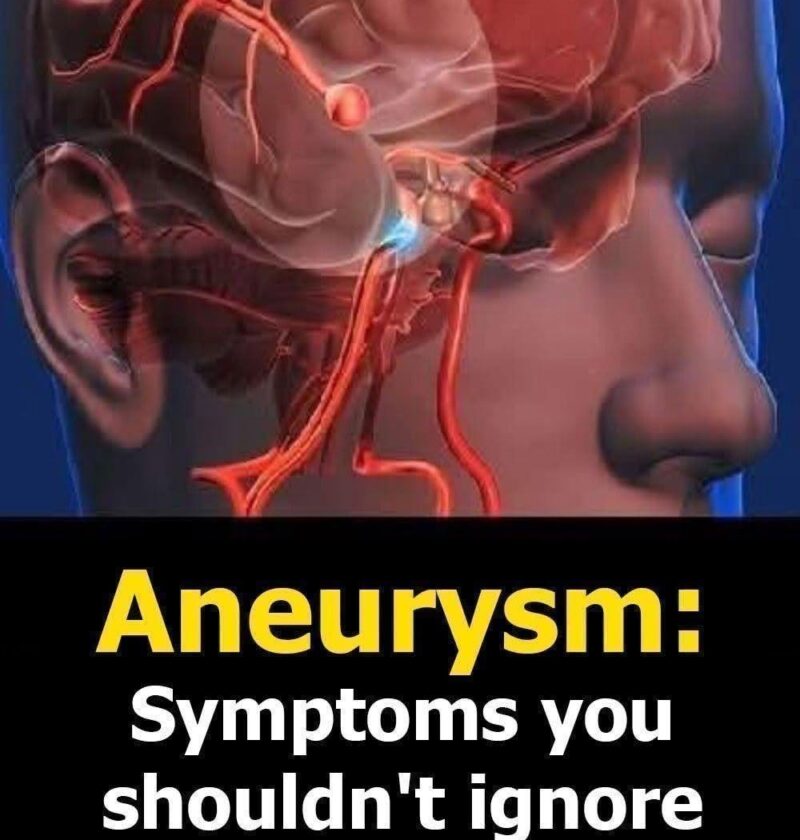
An aneurysm is a weakened area in a blood vessel wall that can bulge and, in some cases, rupture. Many aneurysms cause no symptoms until they become serious, which is why certain warning signs should be taken seriously.
Seek urgent medical help if you experience signs that could suggest a ruptured aneurysm, such as:
- A sudden, severe headache often described as the “worst headache of your life”
- Sudden weakness, numbness, trouble speaking, confusion, or loss of consciousness
- Sudden vision changes or a drooping eyelid
- Severe neck stiffness with a sudden headache
- Chest, back, or abdominal pain that is sudden and severe (depending on the location of the aneurysm)
Unruptured aneurysms may sometimes cause:
- Persistent headaches
- Pain around an eye or vision changes
- A pulsating feeling or lump (especially in some abdominal aneurysms)
- Unexplained deep abdominal or back pain
Not every headache or pain is caused by an aneurysm, but sudden, severe, or unusual symptoms—especially neurological symptoms—should be evaluated immediately.
If you’re asking about a specific person’s symptoms, tell me their age, what symptoms they have, when they started, and whether they are getting worse.