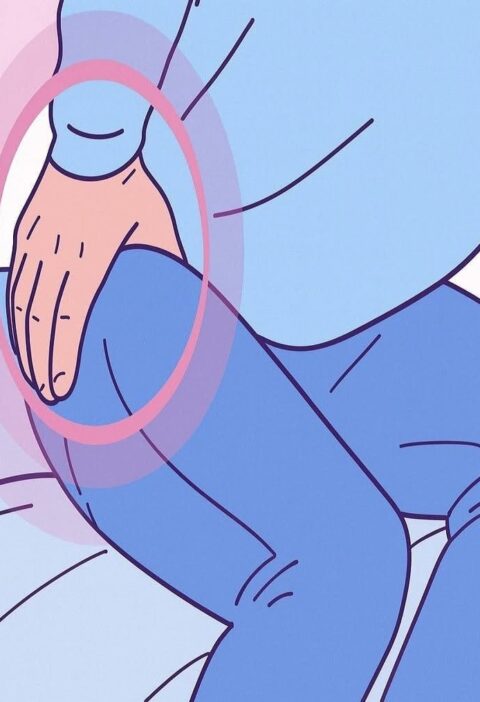
“Inner ear crystals” usually refers to benign paroxysmal positional vertigo (BPPV). It happens when tiny calcium carbonate crystals (otoconia) move into the wrong part of the inner ear and disrupt balance signals, causing brief episodes of spinning—often when you turn your head, roll over in bed, look up, or bend down.
Ways that may help:
1. Try a repositioning maneuver (most common treatment)
The Epley maneuver is often used for BPPV. It involves a sequence of head and body positions designed to move the crystals back into place. A healthcare professional can confirm the affected ear and show the correct technique, because doing the wrong maneuver may not help.
2. Avoid sudden head movements temporarily
- Move slowly when getting out of bed.
- Sit on the edge of the bed for a moment before standing.
- Avoid positions that reliably trigger spinning until symptoms improve.
3. Balance and recovery exercises
Some people benefit from vestibular rehabilitation therapy, especially if dizziness persists after the crystals are moved.
When to get medical advice urgently
Seek urgent care if vertigo comes with:
- New weakness, numbness, facial drooping, trouble speaking, or confusion
- Severe sudden headache
- Chest pain, fainting, or inability to walk
- New hearing loss in one ear
- Symptoms that are constant rather than brief, position-triggered episodes
If you tell me:
- Does the room spin when you roll over in bed or turn your head?
- How long does each episode last (seconds, minutes, hours)?
- Which ear seems affected?
…I can help you figure out whether it sounds like BPPV and what next steps fit.