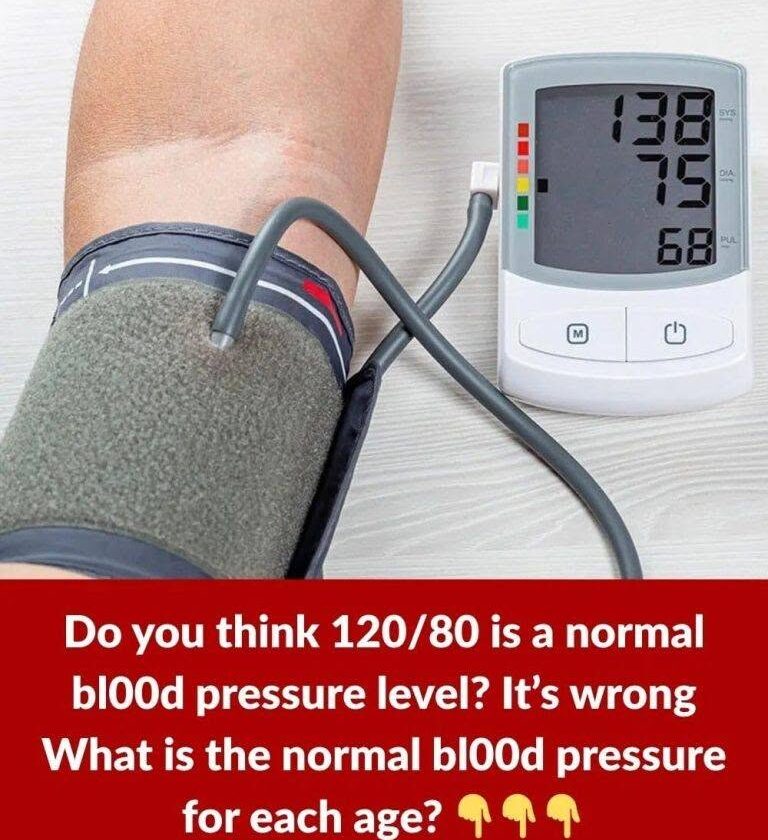
Blood pressure does not have one exact “normal” number for each age, because healthy levels depend on factors like overall health, medications, and medical conditions. However, these are commonly used adult reference ranges:
| Age group | Typical healthy blood pressure range |
|---|---|
| Children (varies by height and sex) | About 90–120 / 50–80 mmHg |
| Teenagers (13–17) | About 100–120 / 60–80 mmHg |
| Adults (18–39) | Around 90–120 / 60–80 mmHg |
| Adults (40–59) | Around 100–130 / 60–80 mmHg |
| Adults (60+) | Often around 110–140 / 60–90 mmHg (individual targets vary) |
Blood pressure categories for most adults:
- Normal: Less than 120/80 mmHg
- Elevated: 120–129 and less than 80
- High blood pressure (Stage 1): 130–139 or 80–89
- High blood pressure (Stage 2): 140+ or 90+
- Low blood pressure: Often considered below about 90/60, especially if symptoms occur
The two numbers mean:
- Systolic (top number): pressure when the heart pumps
- Diastolic (bottom number): pressure when the heart relaxes
A single reading can be affected by stress, exercise, caffeine, pain, or illness. For a more accurate picture, blood pressure is usually checked several times on different days.
If you tell me the person’s age and blood pressure reading (for example, 145/90), I can help interpret it.