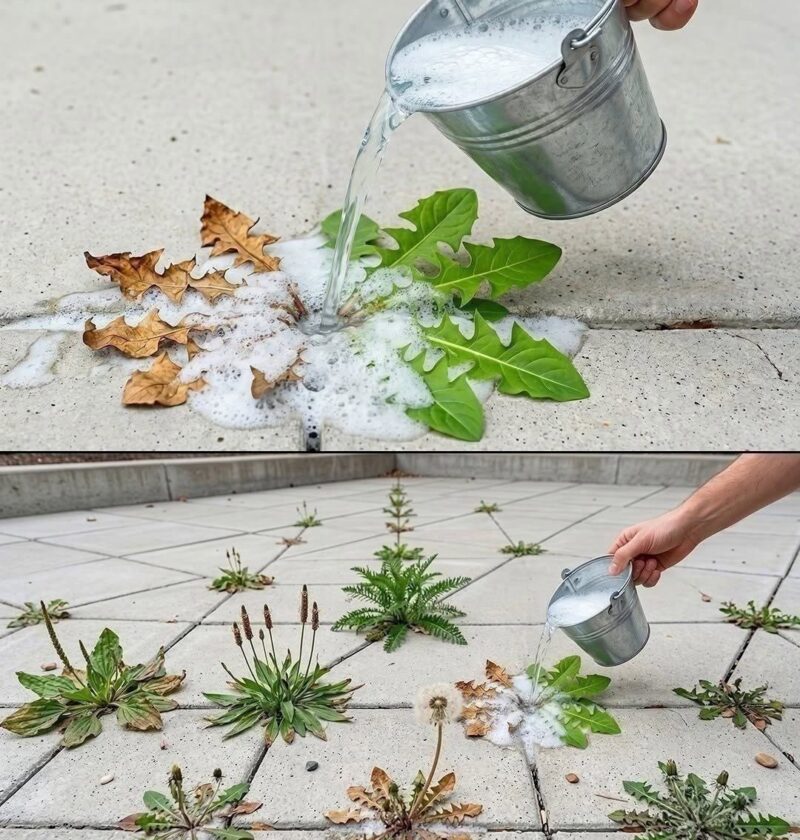
If you mean natural homemade weed control for a garden or yard, there are several options, but their effectiveness and safety vary.
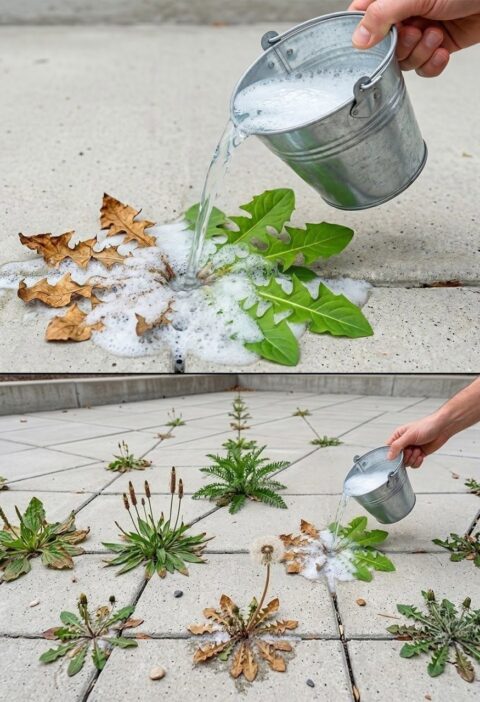
1. Vinegar-based weed spray
A common homemade option:
- 1 gallon (about 4 liters) white vinegar
- 1 tablespoon dish soap (helps the spray stick to leaves)
How to use: Spray directly on weed leaves on a dry, sunny day. It works best on young weeds.
Caution: Household vinegar is less effective on tough perennial weeds, and stronger horticultural vinegar can damage skin, eyes, and nearby plants. Avoid spraying on grass, flowers, or garden crops you want to keep.
2. Boiling water
- Pour boiling water directly onto weeds growing in cracks, driveways, or paths.
- It destroys plant tissue quickly.
Best for: Sidewalk cracks and areas where you don’t want anything growing.
3. Mulching (one of the most reliable natural methods)
- Add a 5–10 cm layer of mulch such as wood chips, straw, or leaves around plants.
- It blocks sunlight and reduces new weed growth.
4. Hand removal with the right timing
- Pull weeds after rain or watering when the soil is softer.
- Remove the roots, especially for deep-rooted weeds.
5. Smothering weeds
- Cover unwanted areas with cardboard and a thick mulch layer.
- This blocks light and gradually kills many weeds.
What to avoid
- Salt mixtures: Salt can permanently damage soil and harm nearby plants.
- Bleach or harsh chemicals: They can contaminate soil and harm beneficial organisms.
For a lawn, vegetable garden, or driveway/patio, the best weed-control method is different. If you tell me where the weeds are growing, I can suggest the most effective approach.