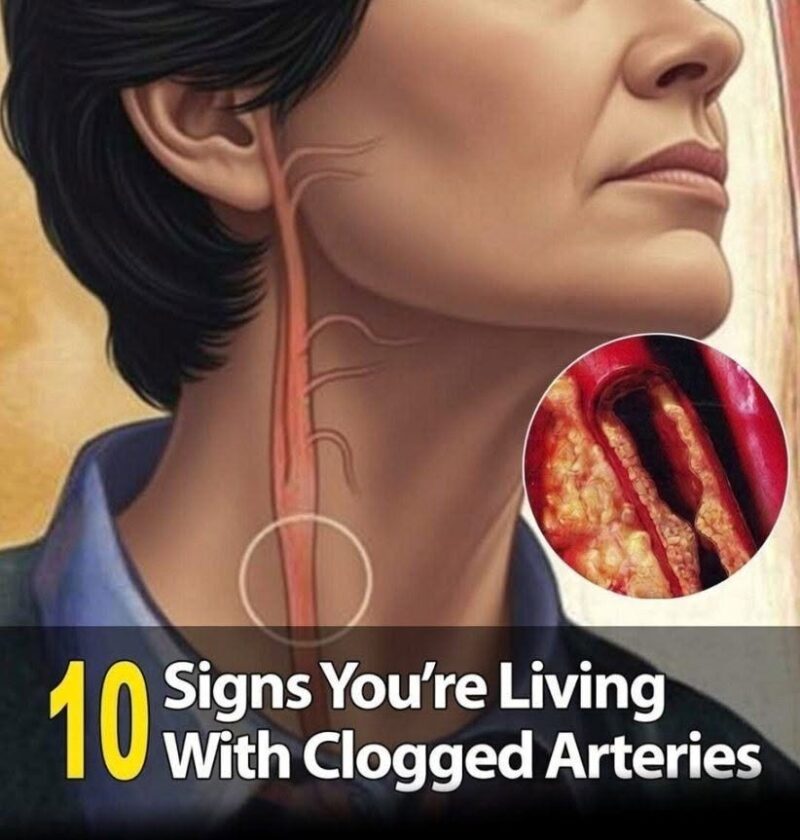
10 Indicators of Blocked Arteries You Shouldn’t Ignore“Blocked arteries” usually refers to atherosclerosis, a condition where fatty deposits (plaque) build up inside arteries and can reduce blood flow. It can develop gradually, and some people have no symptoms until the condition becomes serious.
Possible warning signs include:
- Chest pressure, tightness, or discomfort
- A squeezing, heavy, or burning feeling—especially during activity or stress—can be a sign of reduced blood flow to the heart.
- Shortness of breath
- Difficulty breathing during exertion or unusual breathlessness may occur when the heart is not receiving enough oxygen.
- Pain spreading beyond the chest
- Discomfort may radiate to the arm, shoulder, neck, jaw, back, or upper abdomen.
- Unusual fatigue
- Feeling extremely tired during normal activities can sometimes be a heart-related warning sign.
- Dizziness or lightheadedness
- Reduced blood flow or heart rhythm problems can contribute to these symptoms.
- Leg pain while walking
- Cramping or aching in the calves, thighs, or hips that improves with rest may indicate reduced circulation in leg arteries.
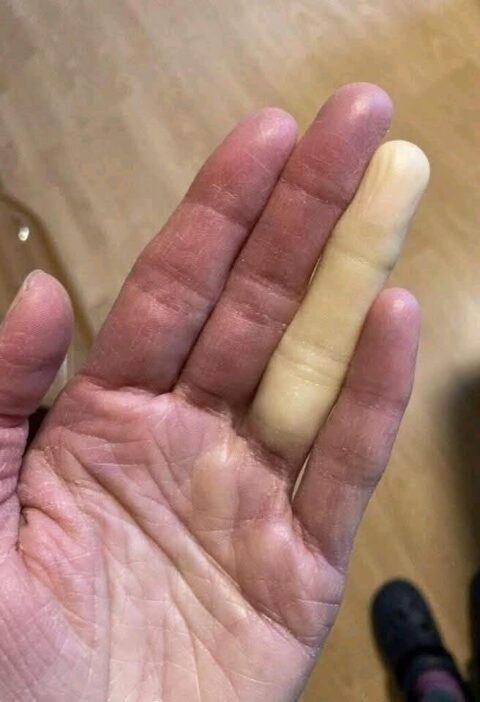
- Coldness, numbness, or weakness in the limbs
- Poor circulation can affect the hands or feet.
- Slow-healing wounds
- Especially on the feet or legs, which may occur when blood flow is reduced.
- Erectile dysfunction
- In some men, circulation problems can appear as erectile difficulties.
- Stroke-like symptoms
- Sudden facial drooping, weakness on one side, trouble speaking, confusion, or vision changes may indicate a blocked artery supplying the brain and require urgent care.
Seek emergency help for:
- New or severe chest pain/pressure
- Chest discomfort with sweating, nausea, or shortness of breath
- Sudden signs of stroke
Reducing artery disease risk
Helpful steps include:
- Controlling blood pressure, cholesterol, and blood sugar
- Avoiding tobacco
- Exercising regularly
- Eating a heart-healthy diet
- Maintaining a healthy weight
- Taking prescribed medications as directed
Having one of these signs does not automatically mean you have blocked arteries, but persistent or concerning symptoms should be evaluated by a healthcare professional.