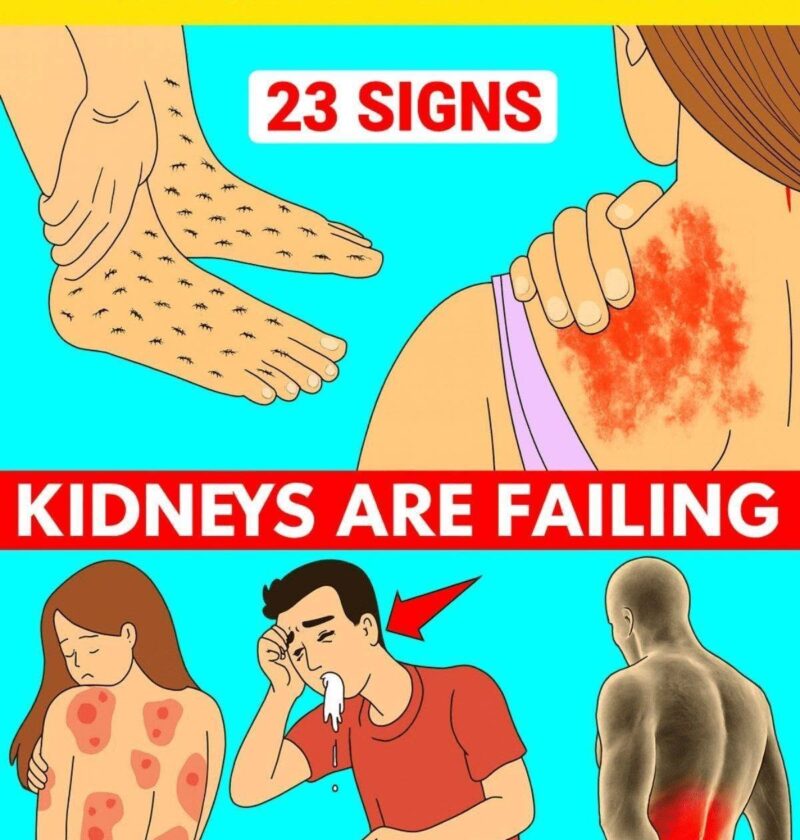
23 Possible Signs Your Kidneys May Need AttentionThe kidneys filter waste from the blood, balance fluids, and help regulate blood pressure. Kidney problems can develop quietly, so recognizing possible warning signs and getting appropriate testing can be important—especially for people with diabetes, high blood pressure, or other risk factors.
Possible signs of kidney problems
- Changes in urination
- Urinating much more or less than usual
- Changes in urine color or appearance
- Foamy or bubbly urine
- May be a sign of protein leaking into the urine.
- Blood in the urine
- Can have many causes and should be evaluated.
- Waking up often at night to urinate
- Swelling in the feet, ankles, or hands
- Fluid retention can occur when kidney function is reduced.
- Puffiness around the eyes
- Can sometimes be related to fluid changes.
- Persistent fatigue
- Kidney disease can contribute to anemia and buildup of waste products.
- Trouble concentrating or “brain fog”
- Nausea or vomiting
- Loss of appetite
- Unexplained weight changes
- Itchy skin
- Some kidney conditions can affect mineral balance and cause itching.
- Dry or irritated skin
- Muscle cramps
- Electrolyte changes may contribute.
- Shortness of breath
- Can occur with fluid buildup or anemia.
- High blood pressure
- Kidney disease and high blood pressure are closely linked.
- Back or side pain
- Some kidney-related conditions can cause pain in the flank area.
- Feeling cold more often
- Can be associated with anemia or other health changes.
- Bad taste in the mouth or ammonia-like breath
- May occur in advanced kidney disease.
- Difficulty sleeping
- Frequent headaches or feeling unwell
- Can occur with blood pressure or fluid balance problems.
- Reduced ability to exercise
- Fatigue and weakness may limit activity.
- New or worsening swelling with other symptoms
- Especially when combined with changes in urination or breathing problems.
Tests that check kidney health
A healthcare professional may use:
- Blood test (eGFR): Estimates how well the kidneys filter blood.
- Urine test (albumin-to-creatinine ratio): Checks for protein leakage.
- Blood pressure measurement: High blood pressure can both cause and result from kidney disease.
Who should be especially aware?
Regular kidney checks are often recommended for people with:
- Diabetes
- High blood pressure
- Heart disease
- A family history of kidney disease
- Long-term use of certain medications that may affect kidneys
Many of these symptoms can have causes unrelated to the kidneys, so they do not confirm kidney disease by themselves. If you have persistent or concerning symptoms, a healthcare professional can help determine the cause.