If You Have These Symptoms in Your Feet, What Could They Mean?Posts claiming that a list of foot symptoms points to one specific disease are usually misleading. Many foot symptoms have multiple possible causes, ranging from minor issues to conditions that need medical attention.
Here are some common foot symptoms and what they may indicate:
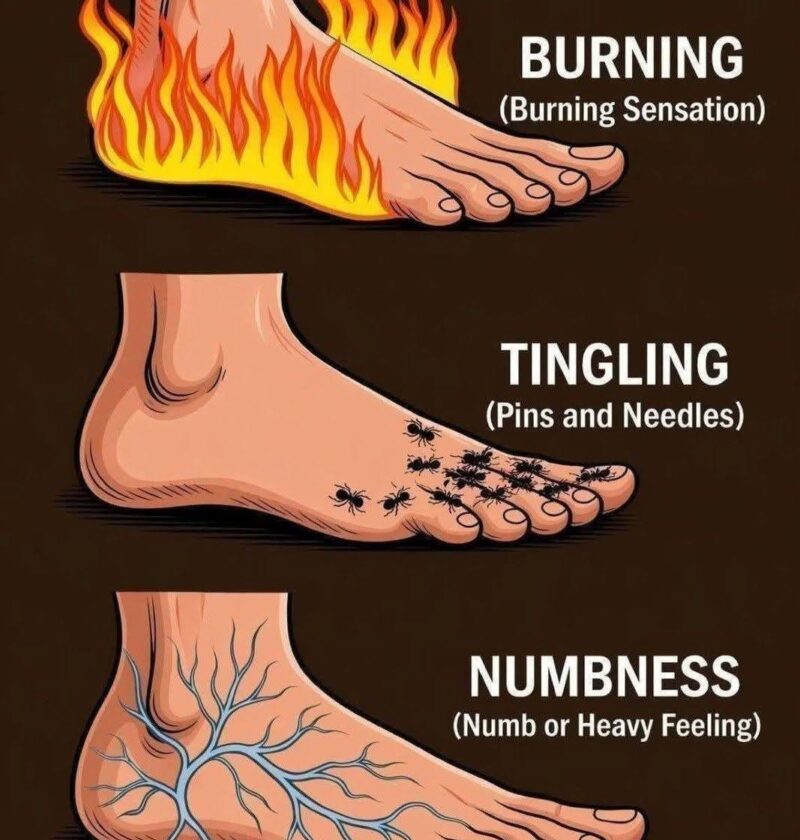
- Numbness or tingling
- Can be caused by nerve compression, diabetes, vitamin B12 deficiency, or other nerve disorders.
- Persistent pain
- May result from arthritis, plantar fasciitis, tendon problems, stress fractures, or injury.
- Swelling
- Can occur after standing for long periods, but persistent swelling may be related to vein problems, heart, kidney, or liver disease, or certain medications.
- Cold feet
- May be due to cold temperatures, poor circulation, or other vascular conditions.
- Burning sensation
- Can be associated with peripheral neuropathy, diabetes, or other nerve conditions.
- Skin color changes
- Pale, blue, red, or dark discoloration can have many causes, including circulation problems or infection.
- Slow-healing sores or ulcers
- Especially important in people with diabetes, as they increase the risk of infection.
- Muscle cramps
- May be related to dehydration, medication side effects, muscle fatigue, or electrolyte imbalances.
- Changes in the toenails
- Thickening, discoloration, or brittleness may result from fungal infections, injury, psoriasis, or other conditions.
When to seek medical care
You should seek prompt medical evaluation if you have:
- A foot wound that isn’t healing
- Severe pain after an injury
- Redness, warmth, swelling, and fever (possible infection)
- Sudden coldness, numbness, or loss of color in a foot
- Persistent numbness or burning, especially if you have diabetes
Foot symptoms alone cannot diagnose a specific disease, but they can be important clues. If symptoms are persistent, worsening, or affecting your ability to walk, it’s a good idea to have them evaluated by a healthcare professional.