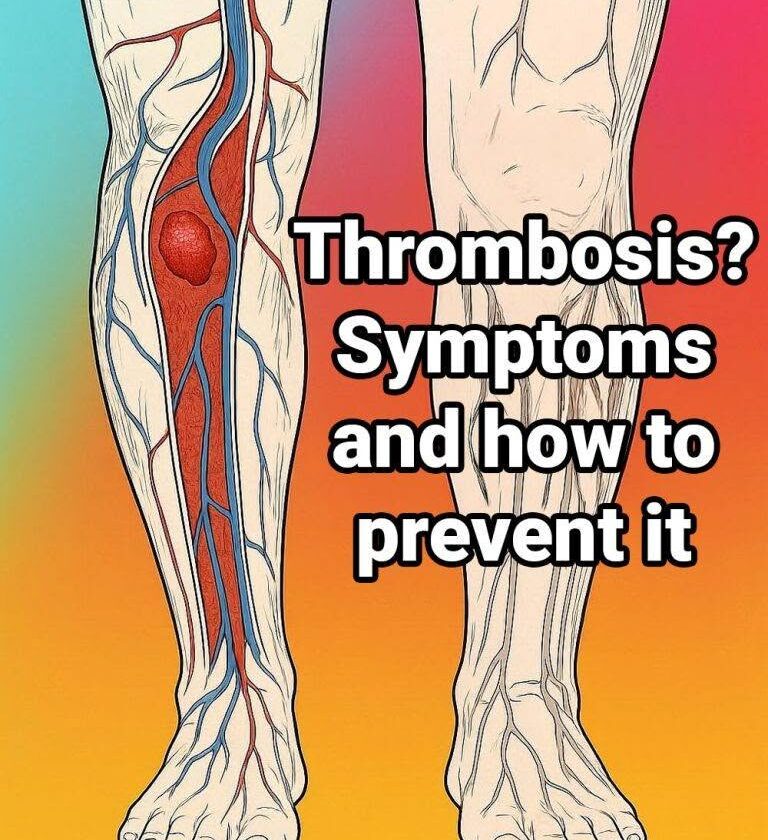
Thrombosis: What It Is, How to Recognize Symptoms, and Reduce Your Risk
What is thrombosis?
Thrombosis occurs when a blood clot (a thrombus) forms inside a blood vessel and blocks or reduces blood flow. Clots can form in veins or arteries and may become dangerous if they travel to other parts of the body.
Two important types include:
- Deep vein thrombosis (DVT): A clot in a deep vein, often in the leg.
- Pulmonary embolism (PE): A clot that travels to the lungs, which can be life-threatening.
- Arterial thrombosis: A clot in an artery that can contribute to events such as heart attack or stroke.
Possible Signs of Thrombosis
Signs of a possible DVT (often in the leg)
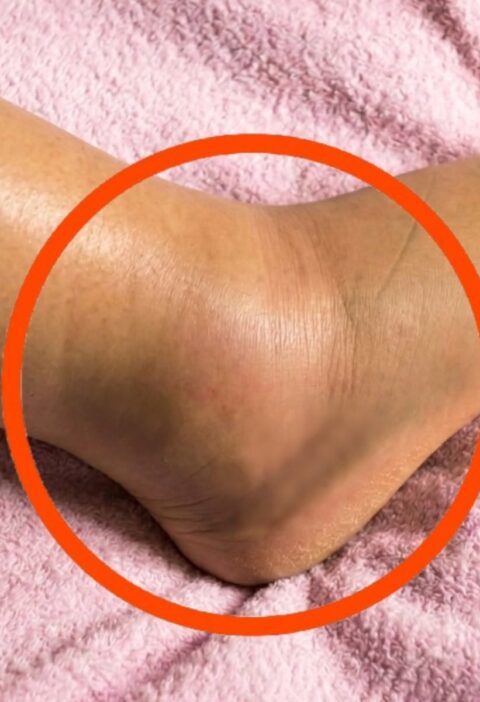
- Swelling in one leg
- Pain, tenderness, or aching in the calf or thigh
- Warmth over the affected area
- Redness or skin color changes
- A feeling of heaviness in the leg
Signs of a possible pulmonary embolism (emergency)
Seek urgent medical help for:
- Sudden shortness of breath
- Chest pain (especially pain that worsens with deep breathing)
- Rapid heartbeat
- Coughing, sometimes with blood
- Dizziness, fainting, or severe weakness
Possible signs of arterial clots
Depending on where the clot occurs:
- Stroke symptoms: sudden facial drooping, arm weakness, trouble speaking, confusion
- Heart attack symptoms: chest pressure, pain spreading to the arm/jaw, sweating, nausea
Risk Factors for Blood Clots
Risk can increase with:
- Long periods of immobility (such as long travel or bed rest)
- Recent surgery or injury
- Smoking
- Obesity
- Older age
- Certain inherited clotting conditions
- Some cancers
- Certain hormone medications
- Previous blood clots
Natural Ways to Support Healthy Circulation
These steps can help reduce risk for many people:
1. Stay physically active
- Regular walking and movement help keep blood flowing.
2. Avoid sitting for long periods
- Move your legs regularly during long trips or desk work.
3. Maintain a healthy weight
- Excess body weight can increase strain on the circulatory system.
4. Drink enough fluids
- Dehydration can contribute to thicker blood, although hydration alone does not prevent all clots.
5. Avoid smoking
- Smoking damages blood vessels and increases clot risk.
6. Eat a heart-healthy diet
Focus on:
- Vegetables and fruits
- Whole grains
- Lean proteins
- Healthy fats such as those found in fish, nuts, and olive oil
Important: Don’t ignore warning signs
Blood clots can become serious quickly. Sudden chest pain, trouble breathing, stroke-like symptoms, or severe one-sided leg swelling require urgent medical attention.
If you are at higher risk for clots, talk with a healthcare professional about personalized prevention strategies.