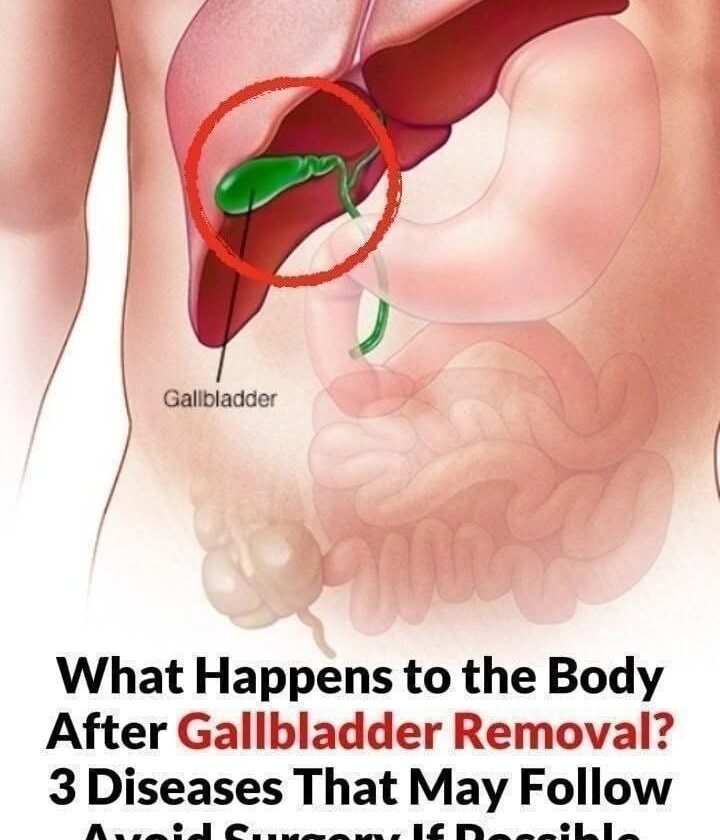
“After Gallbladder Removal: 3 Conditions You Could Develop — Why You Should Avoid the Surgery When Possible”
is a common health headline. It can be misleading because gallbladder removal (cholecystectomy) is a well-established operation that is often the safest and most effective treatment for symptomatic gallstones or an inflamed gallbladder. While it has potential risks, it is not a surgery people should automatically avoid if it’s medically indicated.
Possible issues after gallbladder removal
Some people have no long-term problems, while others may experience:
1. Digestive changes
Without a gallbladder, bile flows continuously into the intestine instead of being stored and released during meals. This can lead to:
- Loose stools or diarrhea (often temporary)
- Bloating or gas
- Difficulty tolerating very fatty meals
2. Post-cholecystectomy syndrome
A small percentage of people continue to have abdominal pain, indigestion, or nausea after surgery. These symptoms can result from a variety of causes, not all of which are directly related to the surgery.
3. Bile acid diarrhea
Some people develop chronic diarrhea because excess bile reaches the colon. If persistent, this can often be treated with prescription medications that bind bile acids.
Why surgery is still often recommended
Doctors usually recommend gallbladder removal when the benefits outweigh the risks, such as in cases of:
- Recurrent painful gallstones (biliary colic)
- Acute gallbladder inflammation (cholecystitis)
- Gallstone pancreatitis
- Gallstones causing blockage of the bile ducts
In these situations, delaying surgery can increase the risk of serious complications, including infection or pancreatitis.
Can gallbladder surgery be avoided?
If gallstones are not causing symptoms, surgery is often not recommended. However, if symptoms are frequent or complications develop, surgery is usually the most effective treatment. Lifestyle changes, such as maintaining a healthy weight and avoiding rapid weight loss, may help reduce the risk of forming gallstones, but they do not reliably eliminate existing symptomatic stones.
The headline’s suggestion to “avoid the surgery when possible” oversimplifies the decision. The right choice depends on why the surgery is being considered. For many people with symptomatic gallbladder disease, gallbladder removal prevents recurrent attacks and serious complications, and most people recover well and return to a normal diet over time.