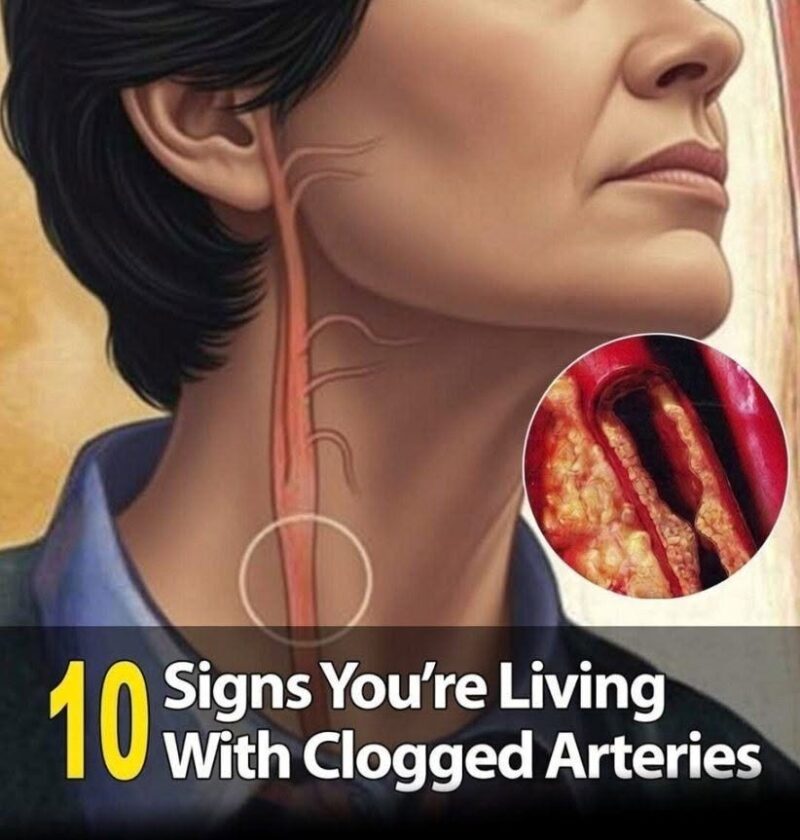
10 Indicators of Blocked Arteries You Shouldn’t Ignore
Blocked arteries (often caused by atherosclerosis, a buildup of plaque inside blood vessels) can restrict blood flow to the heart, brain, legs, or other organs. Some people have symptoms, while others may not notice warning signs until a serious event occurs.
Here are 10 possible indicators that should not be ignored:
1. Chest pain or pressure (angina)
- A squeezing, heaviness, burning, or tight feeling in the chest—especially during activity or stress—can be a sign that the heart is not getting enough blood.
2. Shortness of breath
- Feeling unusually out of breath during normal activities may occur when the heart is struggling to receive or pump enough oxygen-rich blood.
3. Pain spreading to other areas
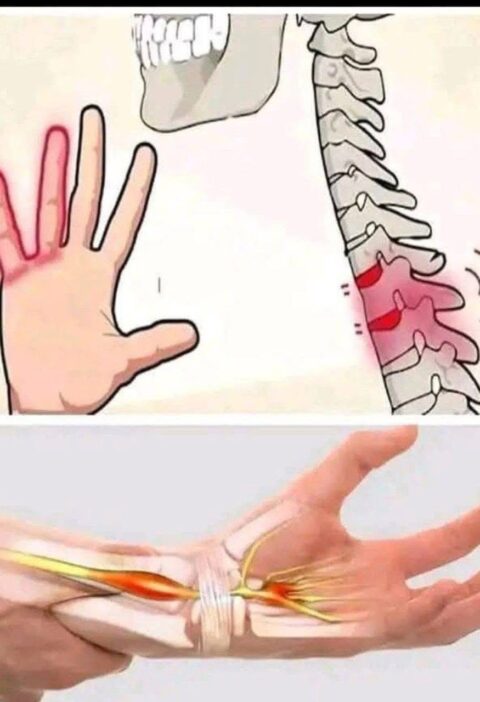
- Discomfort from heart-related artery narrowing may spread to the:
- Arm (especially the left arm)
- Shoulder
- Neck
- Jaw
- Back
4. Unusual fatigue
- Extreme tiredness, especially with exertion, can sometimes be a sign of reduced blood flow to the heart.
5. Leg pain while walking (claudication)
- Cramping, aching, or weakness in the calves, thighs, or hips during walking that improves with rest may suggest peripheral artery disease.
6. Coldness or numbness in hands or feet
- Reduced circulation can cause cooler limbs, tingling, numbness, or changes in skin color.
7. Slow-healing wounds
- Poor blood flow, especially in the feet or legs, can make cuts or sores heal slowly.
8. Dizziness or fainting
- Reduced blood flow to the brain or heart rhythm problems related to heart disease can sometimes cause these symptoms.
9. Heart palpitations
- A feeling of racing, fluttering, or irregular heartbeat may occur alongside cardiovascular problems (though many causes are unrelated to blocked arteries).
10. Erectile dysfunction (in some men)
- Because small blood vessels can be affected early by vascular disease, erectile difficulties may sometimes be an early sign of circulation problems.
When to seek urgent help
Call emergency services immediately for:
- Chest pressure or pain lasting more than a few minutes
- Chest discomfort with sweating, nausea, or shortness of breath
- Sudden weakness or numbness on one side of the body
- Sudden trouble speaking, confusion, or vision changes
Reducing artery disease risk
Helpful steps include:
- Managing blood pressure, cholesterol, and blood sugar
- Avoiding smoking and tobacco
- Exercising regularly (as medically appropriate)
- Eating a heart-healthy diet
- Maintaining a healthy weight
- Taking prescribed medications as directed
Blocked arteries can develop silently, so regular checkups and risk-factor screening are important—especially for people with diabetes, high blood pressure, high cholesterol, a smoking history, or a family history of heart disease.