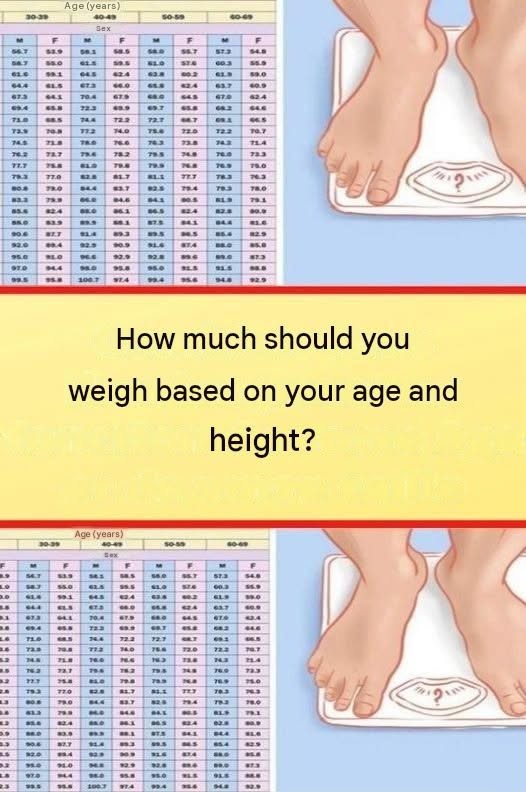
Ideal Weight by Height: A General Guide Using BMI
The “ideal” weight is different for every person because it depends on height, age, sex, muscle mass, body shape, and overall health. A common screening tool is Body Mass Index (BMI), which compares weight to height.
genui{“physics_motion_forces_learning_block”:{“type_id”:”WEIGHT_FORCE”,”locale_override”:”en-US”}}
BMI Categories for Adults
- Underweight: BMI below 18.5
- Healthy range: BMI 18.5–24.9
- Overweight: BMI 25–29.9
- Obesity: BMI 30 or higher
Approximate Healthy Weight Ranges by Height
| Height | Approximate Healthy Weight |
|---|---|
| 5’0″ (152 cm) | 95–128 lb (43–58 kg) |
| 5’2″ (157 cm) | 104–135 lb (47–61 kg) |
| 5’4″ (163 cm) | 110–145 lb (50–66 kg) |
| 5’6″ (168 cm) | 118–154 lb (54–70 kg) |
| 5’8″ (173 cm) | 125–164 lb (57–74 kg) |
| 5’10” (178 cm) | 132–174 lb (60–79 kg) |
| 6’0″ (183 cm) | 140–184 lb (64–83 kg) |
Important Notes
- BMI does not measure body fat directly. A muscular person may have a higher BMI while still being healthy.
- Older adults may have different health considerations than younger adults.
- Waist size, fitness level, blood pressure, cholesterol, and blood sugar are also important indicators of health.
If you share your height, age, sex, and current weight, I can estimate your BMI and a healthier weight range for you.