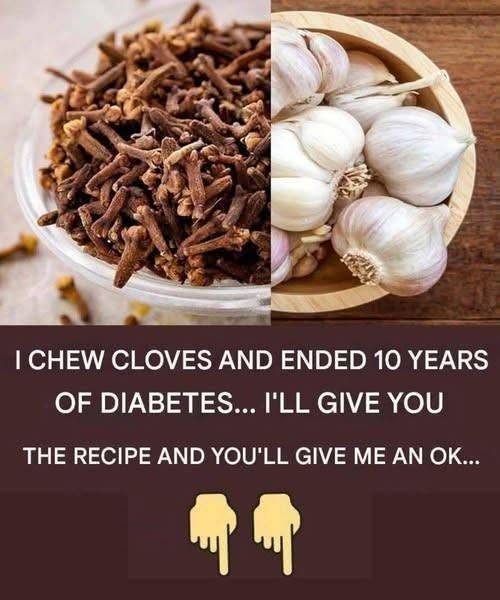
The claim “With just two cloves a day, you can prevent many diseases” is a common health headline that exaggerates what cloves can do.
Cloves are a spice with beneficial compounds, especially eugenol, which has antioxidant and anti-inflammatory properties in laboratory studies. Including small amounts of cloves in a balanced diet may offer some benefits, such as:
- Antioxidant support: Cloves contain compounds that help protect cells from oxidative stress.
- Oral health support: Eugenol has been used in dentistry for its numbing and antimicrobial properties.
- Possible blood sugar effects: Some early research suggests cloves may influence blood sugar regulation, but this does not replace diabetes treatment.
- Digestive support: Cloves are traditionally used to aid digestion, though evidence varies.
However, two cloves a day cannot prevent “many diseases” on its own. No single food or spice can prevent major conditions like heart disease, cancer, or stroke. Disease prevention depends on overall habits, including a nutritious diet, physical activity, sleep, avoiding tobacco, and managing health conditions.
A few cautions:
- Large amounts of clove oil can be harmful, especially for children or during pregnancy.
- People taking blood-thinning medicines should be cautious with high doses because eugenol may affect blood clotting.
- Using cloves as a spice in normal food amounts is generally considered safe for most people.
So, cloves can be a healthy addition to your diet—but they are a supportive ingredient, not a disease-prevention cure.