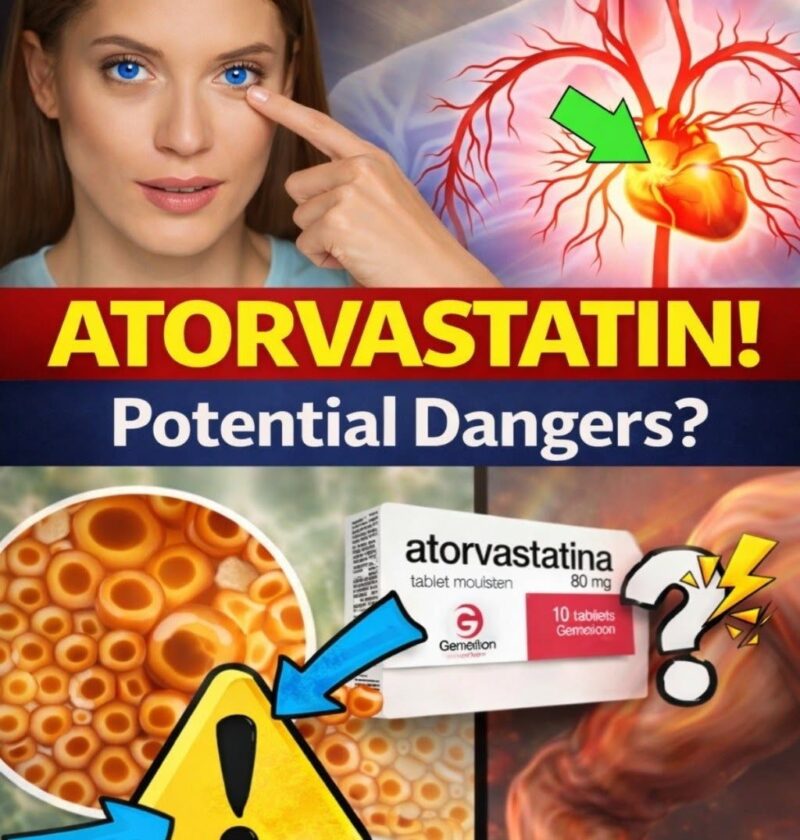
15 Hidden Atorvastatin Side Effects Your Doctor Might Never Mention (And What You Can Do Today)
Atorvastatin is one of the most widely prescribed medicines for lowering LDL (“bad”) cholesterol and reducing the risk of heart attacks and strokes. For many people, it works safely for years with few or no problems.
However, like all medicines, atorvastatin can cause side effects. Some are well known, while others are less obvious and may be easy to overlook. If you notice changes after starting atorvastatin, it’s worth discussing them with your healthcare professional rather than stopping the medicine on your own.
1. Muscle Aches and Soreness
One of the most commonly reported statin-related symptoms is muscle discomfort.
You may notice:
- Aching muscles
- Tenderness
- Stiffness
- Cramping
It can occur anywhere but is often felt in the legs, shoulders, or back.
What you can do:
Note when symptoms started and whether they change with exercise. Your doctor may check for other causes or adjust your treatment if needed.
2. Muscle Weakness
Some people report feeling weaker than usual, especially during activities such as climbing stairs or lifting objects.
What you can do:
Report unexplained or worsening weakness, especially if it affects daily activities.
3. Unusual Tiredness
Fatigue can have many causes, but some people notice lower energy after beginning statin therapy.
What you can do:
Track your energy levels and discuss persistent fatigue with your healthcare provider.
4. Digestive Problems
Possible symptoms include:
- Nausea
- Diarrhoea
- Constipation
- Gas
- Stomach discomfort
What you can do:
Taking the medicine exactly as prescribed and maintaining a balanced diet may help. Speak with your doctor if symptoms continue.
5. Headaches
Some people experience headaches after starting atorvastatin, particularly during the adjustment period.
What you can do:
Keep track of frequency and severity, especially if headaches are new or persistent.
6. Sleep Changes
A small number of people report:
- Difficulty sleeping
- Restless sleep
- Vivid dreams
What you can do:
Avoid changing your medication schedule without advice, but mention sleep changes during a medication review.
7. Memory or Concentration Changes
Some people have reported temporary memory issues or trouble concentrating while taking statins. Research has not shown a clear cause-and-effect relationship for most people.
What you can do:
If you notice significant changes, discuss them with your doctor to explore possible causes.
8. Increased Blood Sugar Levels
Statins may slightly increase blood glucose levels in some people, particularly those already at risk for diabetes.
What you can do:
Maintain healthy eating habits, stay active, and attend recommended blood sugar checks.
9. Liver Enzyme Changes
Atorvastatin can cause increases in liver enzymes in some people. Usually, this does not cause symptoms, but monitoring may be recommended in certain situations.
Seek medical advice if you notice:
- Yellowing of the skin or eyes
- Dark urine
- Severe unusual tiredness
10. Joint Discomfort
Some people report general aches or joint discomfort while taking statins.
What you can do:
Do not assume every ache is caused by atorvastatin—your healthcare provider can help identify the cause.
11. Tingling or Numbness
Rarely, people report unusual sensations such as tingling in the hands or feet.
What you can do:
Mention new nerve-related symptoms during a medical review.
12. Skin Reactions
Possible reactions may include:
- Rash
- Itching
- Redness
A severe allergic reaction with swelling of the face, lips, tongue, or difficulty breathing requires urgent medical attention.
13. Reduced Exercise Tolerance
Some people feel they tire more quickly during physical activity.
What you can do:
Keep a record of changes in exercise ability and discuss them with your healthcare provider.
14. Rare but Serious Muscle Damage
A rare condition called rhabdomyolysis involves severe muscle breakdown.
Warning signs include:
- Severe muscle pain
- Extreme weakness
- Dark-coloured urine
- Fever or feeling very unwell
This requires urgent medical attention.
15. Drug and Food Interactions
Certain medicines and substances can increase the chance of side effects.
Examples may include:
- Some antibiotics
- Certain antifungal medicines
- Some heart medicines
- Grapefruit or grapefruit juice in large amounts (depending on circumstances)
What you can do:
Always tell your doctor and pharmacist about all prescription medicines, supplements, and herbal products you use.
What You Can Do Today
If you take atorvastatin:
✅ Keep a list of new symptoms.
✅ Take your medication exactly as prescribed.
✅ Stay physically active if your healthcare provider says it is safe.
✅ Eat a heart-healthy diet.
✅ Attend recommended cholesterol and health checks.
✅ Ask your pharmacist to review possible medicine interactions.
Do Not Stop Atorvastatin Suddenly Without Advice
Atorvastatin is often prescribed because your risk of heart attack or stroke is higher than average. Stopping it without medical guidance may remove an important layer of protection.
If side effects are suspected, your healthcare provider may consider:
- Adjusting the dose.
- Changing the timing.
- Switching to another cholesterol-lowering medicine.
- Checking for other causes of symptoms.