What Is Atorvastatin and Why Is It Commonly Prescribed?
Atorvastatin is a medication in a group called statins. It is commonly prescribed to help lower cholesterol levels and reduce the risk of heart attacks and strokes.
How atorvastatin works
Atorvastatin blocks an enzyme in the liver called HMG-CoA reductase, which the body uses to make cholesterol. This leads to:
- ⬇️ Lower LDL cholesterol (“bad” cholesterol)
- ⬇️ Lower triglycerides (a type of blood fat)
- ⬆️ A small increase in HDL cholesterol (“good” cholesterol) in some people
Lowering LDL cholesterol can help slow the buildup of fatty plaques in arteries (atherosclerosis).
Why do doctors prescribe atorvastatin?
Doctors may recommend it for people who:
❤️ Have high cholesterol
Especially when lifestyle changes alone are not enough to reach a healthy cholesterol level.
🫀 Have a higher risk of cardiovascular disease
Including people with:
- Previous heart attack or stroke
- Coronary artery disease
- Diabetes (depending on age and risk factors)
- Certain levels of elevated LDL cholesterol
🛡️ Need prevention of future heart problems
Statins can reduce the risk of major cardiovascular events in people at increased risk.
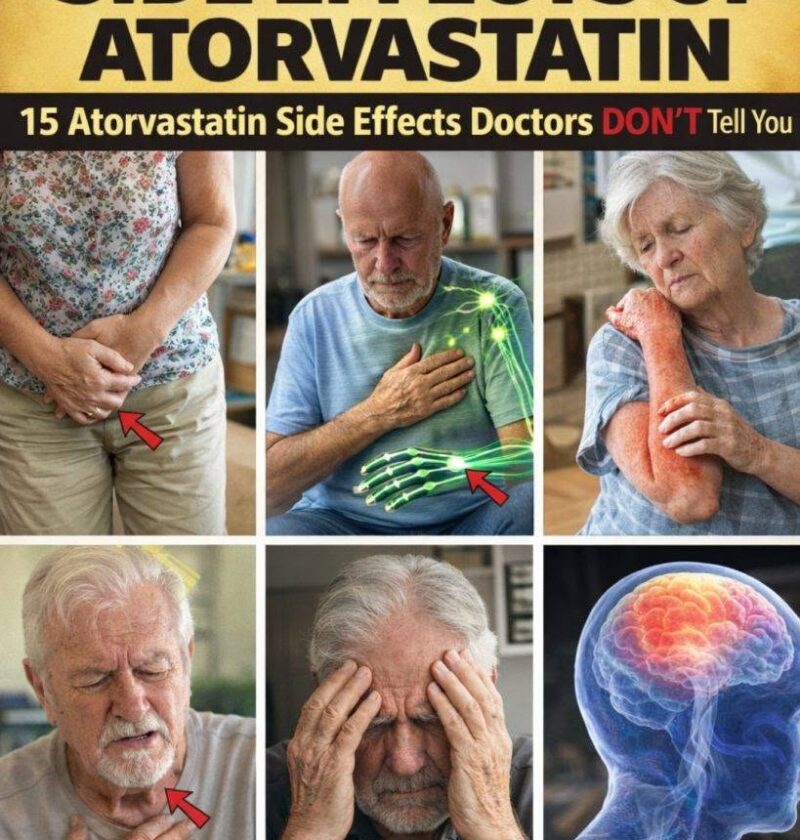
Common side effects
Many people take atorvastatin without serious problems, but possible side effects include:
- Muscle aches or soreness
- Headache
- Digestive symptoms (such as nausea or diarrhea)
- Mild increases in liver enzymes on blood tests
Rare but important side effects
Contact a healthcare professional if you develop:
- Severe or unexplained muscle pain, weakness, or dark-colored urine (possible muscle injury)
- Yellowing of the skin or eyes, severe fatigue, or unusual abdominal pain (possible liver problems)
Things to know while taking atorvastatin
✅ Take it exactly as prescribed.
✅ Keep regular follow-up appointments and cholesterol checks.
✅ Tell your healthcare professional about all medications, supplements, and herbal products you use.
✅ Limit excessive alcohol intake, which can increase liver stress.
Some medicines and supplements can interact with atorvastatin, and your healthcare professional can advise on what combinations are appropriate.
Does everyone with high cholesterol need a statin?
Not necessarily. The decision depends on your overall cardiovascular risk, cholesterol levels, age, medical history, and other risk factors.