Many people with type 2 diabetes have mild or no symptoms at first, which is why regular screening is important for those at risk. When symptoms do occur, they can be subtle.
Here are 9 signs that can be overlooked:
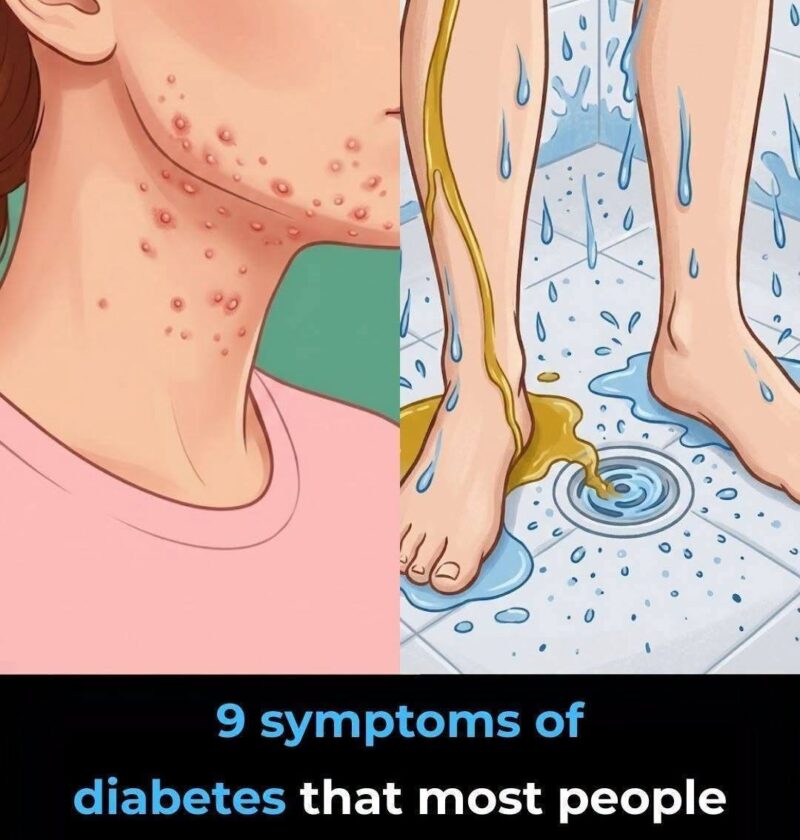
- Frequent urination
- Especially needing to urinate more often than usual, including at night.
- Increased thirst
- Feeling unusually thirsty because the body loses more fluid through urine.
- Persistent fatigue
- Feeling tired even after getting enough sleep.
- Blurred vision
- High blood sugar can temporarily affect the shape of the eye’s lens.
- Slow-healing cuts or sores
- Wounds that take longer than usual to heal.
- Frequent infections
- Such as skin infections, urinary tract infections, or recurring yeast infections.
- Tingling or numbness in the hands or feet
- This may be a sign of nerve damage from long-standing high blood sugar.
- Unexplained weight loss
- More common in type 1 diabetes, but it can also occur in type 2 diabetes.
- Darkened, velvety patches of skin
- Especially around the neck, armpits, or groin. This condition, called acanthosis nigricans, is often associated with insulin resistance.
Who should consider screening?
You may benefit from diabetes screening if you:
- Are age 35 or older (or earlier if you have risk factors)
- Are overweight or obese
- Have a family history of diabetes
- Have high blood pressure or abnormal cholesterol
- Had diabetes during pregnancy (gestational diabetes)
How diabetes is diagnosed
A healthcare professional may use one or more of these tests:
- HbA1c (A1C) – reflects average blood sugar over the past 2–3 months.
- Fasting blood glucose
- Oral glucose tolerance test
Seek prompt medical care if you have
- Extreme thirst with frequent urination
- Vomiting or severe abdominal pain
- Confusion or extreme drowsiness
- Rapid, deep breathing
- Fruity-smelling breath
These can be signs of a serious diabetes-related emergency.
If you’re experiencing any of these symptoms, it’s a good idea to discuss them with a healthcare professional, who can determine whether blood sugar testing is appropriate.