Many articles and social media posts talk about “silent warning signs” of heart disease. While some symptoms can be subtle, none of these signs prove that your heart is in serious danger, and many have non-cardiac causes. Still, they’re worth paying attention to, especially if you have risk factors such as high blood pressure, diabetes, smoking, high cholesterol, or a family history of heart disease.
1. Shortness of breath
Feeling unusually breathless during activities that used to be easy can sometimes be a sign of heart disease or heart failure.
2. Unusual fatigue
Persistent, unexplained fatigue—especially if it’s new or worsening—can occasionally be associated with heart problems.
3. Chest discomfort
Heart-related symptoms don’t always feel like severe chest pain. Some people experience pressure, tightness, squeezing, fullness, or discomfort that comes and goes.
4. Pain in other areas
Heart problems can sometimes cause discomfort in the:
- Jaw
- Neck
- Back
- Shoulders
- Arms (often the left arm, but not always)
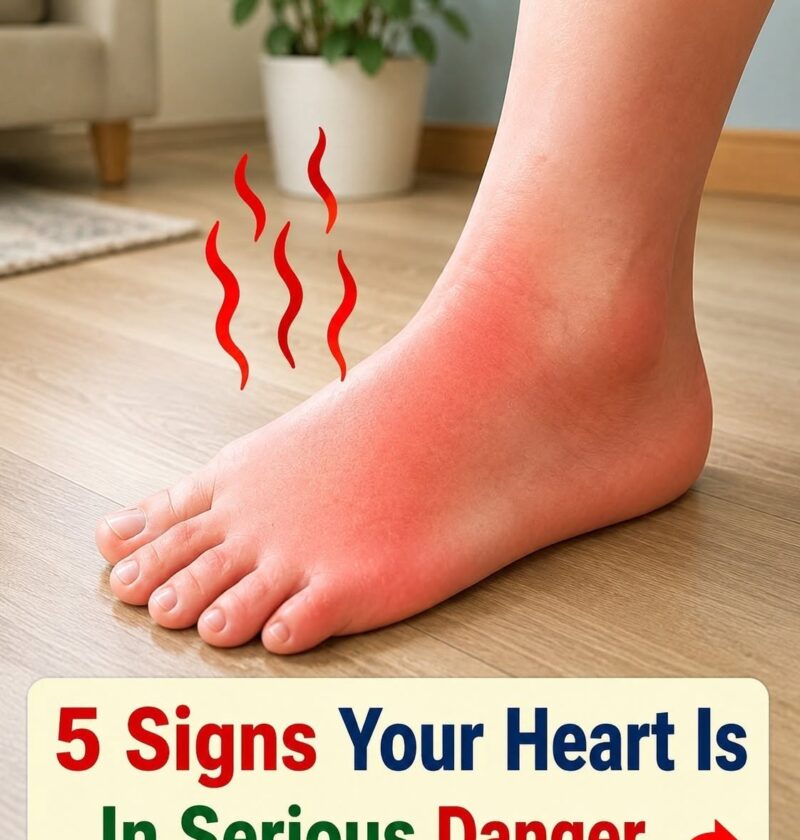
5. Swelling in the legs, ankles, or feet
Fluid buildup can occur when the heart isn’t pumping effectively, although swelling can also be caused by many other conditions.
Important context
These symptoms are not specific to heart disease. They may also result from:
- Lung conditions
- Anxiety
- Medication side effects
- Anemia
- Kidney disease
- Thyroid disorders
- Musculoskeletal problems
Heart attack warning signs
A heart attack may present with:
- Chest pressure, tightness, or pain
- Shortness of breath
- Pain radiating to the arm, jaw, neck, or back
- Nausea
- Sweating
- Lightheadedness
Women, older adults, and people with diabetes may sometimes have less typical symptoms.
Seek emergency care now if you have:
- New chest pain or pressure that lasts more than a few minutes
- Chest symptoms accompanied by shortness of breath, sweating, nausea, or fainting
- Sudden severe shortness of breath
These symptoms can indicate a medical emergency.
Reducing your risk
Evidence-based ways to reduce the risk of heart disease include:
- Not smoking
- Regular physical activity
- Managing blood pressure
- Managing cholesterol
- Controlling diabetes if present
- Maintaining a healthy weight
- Following a heart-healthy diet
Conditions such as Coronary Artery Disease and Heart Failure often develop gradually, which is why routine medical care and risk-factor management are important even when symptoms are mild or absent.