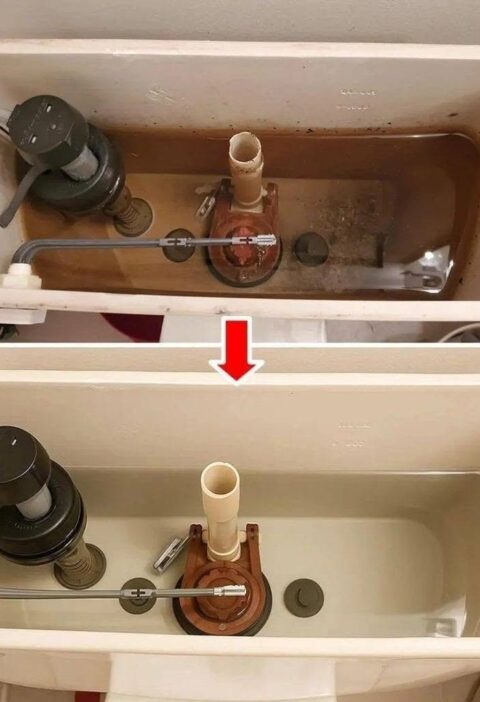
The idea that you should avoid flushing the toilet every time you urinate is mostly about saving water, not because it is healthier or medically necessary.
Why some people choose not to flush every time
- Water conservation: A toilet flush can use several liters of water (depending on the toilet model). Skipping some flushes can reduce household water use.
- Lower utility bills: Using less water may slightly reduce water costs.
- Environmental impact: Less water use can reduce demand on water treatment systems.
Is it safe to leave urine in the toilet?
For a short time, usually yes. Urine from a healthy person is generally low in bacteria when it first leaves the body. However:
- Over time, urine can develop an odor as bacteria break it down.
- Leaving the toilet unflushed for long periods may be unpleasant, especially in shared bathrooms.
- Regular cleaning is still important.
When you should flush every time
It’s best to flush after every use if:
- Multiple people share the bathroom.
- Someone in the home has an infection or is immunocompromised.
- There are strong odors or hygiene concerns.
- You are disposing of medications or chemicals (these should not be flushed unless specifically instructed).
A balanced approach
Many households use the “if it’s yellow, let it mellow; if it’s brown, flush it down” approach to save water. If you do this, keeping the toilet clean and ventilating the bathroom can help.
So, skipping an occasional flush can conserve water, but there is no health requirement to avoid flushing after urination. The best choice depends on your household’s water goals and hygiene preferences.