Waking Up With Dry Mouth? Here’s What Your Body Might Be Telling You
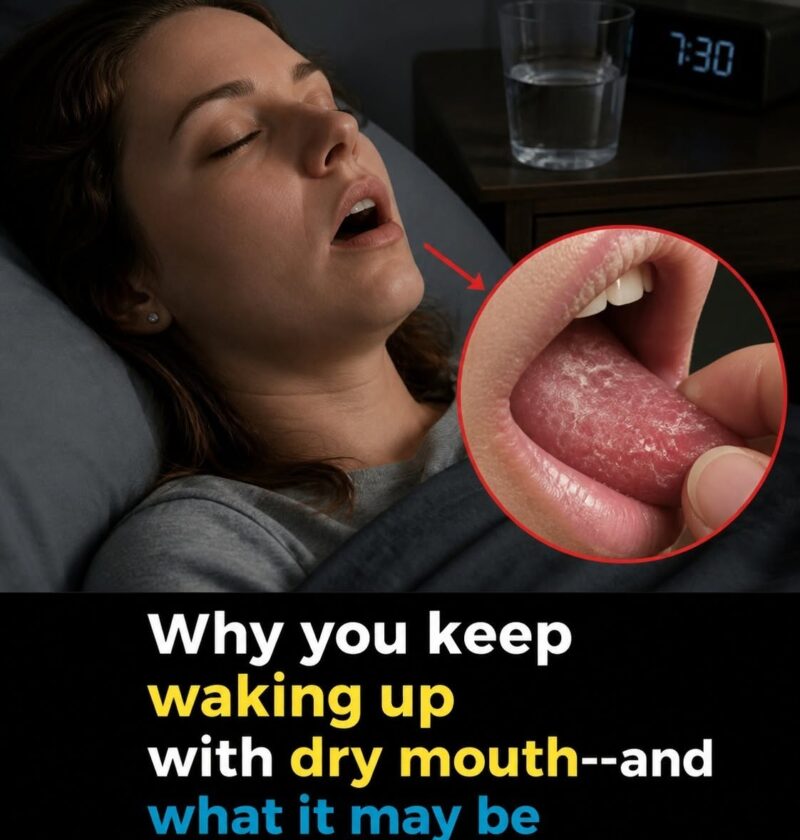
Waking up with a dry, sticky mouth occasionally is usually nothing to worry about. But if you regularly wake up desperately thirsty or with a very dry mouth, your body may be giving you a clue that something needs attention.
1. You may be breathing through your mouth at night
A blocked nose, allergies, congestion, or simply sleeping with your mouth open can cause saliva to evaporate during the night. Mouth breathing is one of the common causes of nighttime dry mouth.
If you also wake up with a dry throat, stuffy nose or notice that you sleep with your mouth open, this may be an important clue.
2. You may not be getting enough fluids
Dehydration can cause dry mouth, particularly after sweating, illness, alcohol consumption, or simply not drinking enough during the day. Other signs can include thirst, dark urine, tiredness or dizziness.
However, don’t force large amounts of water before bed just to prevent dry mouth—you may simply end up waking repeatedly to use the bathroom.
3. Your medication could be responsible
Hundreds of medications can reduce saliva production. Medicines used for conditions including high blood pressure, depression and bladder problems are among those that can cause dry mouth.
If your dry mouth started after beginning a medication or changing its dose, mention it to your doctor or pharmacist.
Don’t stop a prescribed medicine on your own. A healthcare professional can determine whether the medication is responsible and whether an alternative is appropriate.
4. Persistent dry mouth can affect your teeth
Saliva isn’t just there to keep your mouth comfortable. It helps wash away food particles and protects the teeth and gums.
When saliva production remains low, the risk of tooth decay and oral infections increases. Dry mouth can also cause bad breath, difficulty swallowing, mouth soreness and changes in taste.
That’s why persistent dry mouth deserves attention rather than being dismissed as a normal part of getting older.
5. Sometimes it can be linked to diabetes
Dry mouth can occur with diabetes, particularly when blood sugar isn’t well controlled. If dry mouth is accompanied by unusual thirst and frequent urination, it’s worth discussing these symptoms with a healthcare professional.
Dry mouth by itself does not mean you have diabetes.
6. Dry mouth plus dry eyes deserves attention
Persistent dryness of both the mouth and eyes can occur with Sjögren’s disease, an autoimmune condition that affects the glands responsible for producing saliva and tears.
Other symptoms can include joint pain, dry skin and fatigue. Having dry mouth and dry eyes doesn’t automatically mean you have Sjögren’s, but the combination is worth discussing with a doctor.
What can you do tonight?
Try taking regular sips of water during the day, keeping water beside your bed, and chewing sugar-free gum or using sugar-free lozenges during waking hours to stimulate saliva. Limiting alcohol and tobacco can also help, and a humidifier may be useful if the bedroom air is dry.
Good dental hygiene is especially important because reduced saliva increases the risk of tooth decay.
When should you see a doctor or dentist?
Make an appointment if your dry mouth:
- Continues for several weeks
- Makes eating, swallowing or speaking difficult
- Causes mouth pain, redness, bleeding or white patches
- Is accompanied by persistent dry eyes
- Occurs with excessive thirst or frequent urination
- Began after starting a prescription medicine
A doctor or dentist can review your medications, examine your mouth and determine whether further testing is necessary.