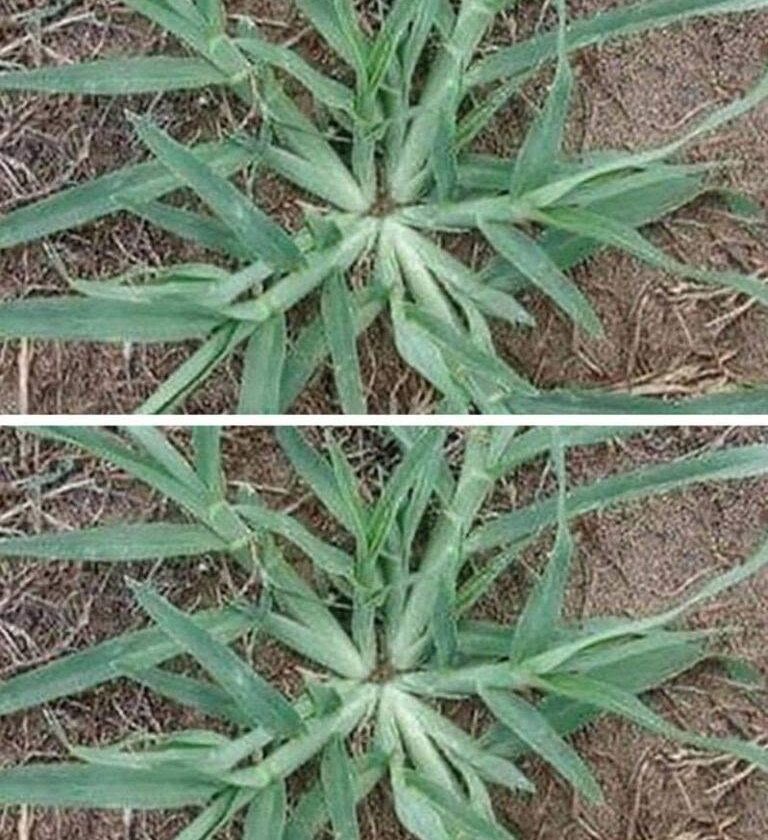
One of the most commonly misunderstood plants is the dandelion. Although many people remove it as a weed, dandelions are highly beneficial. Their deep roots help loosen compacted soil and bring nutrients closer to the surface. In addition, dandelion flowers provide an early source of nectar for bees and other pollinators. The leaves, flowers, and roots are also edible and have been used in traditional remedies for generations.
Another beneficial plant often found in gardens is clover. Clover naturally adds nitrogen to the soil, improving fertility and reducing the need for chemical fertilizers. It also helps prevent soil erosion and attracts bees, butterflies, and other beneficial insects. For gardeners seeking a healthier and more sustainable garden, clover can be an excellent addition rather than a nuisance.
Before uprooting any unexpected plant, take a moment to research and identify it. What appears to be an unwanted weed may actually be a valuable ally for your garden. By understanding the benefits of naturally occurring plants, gardeners can create healthier landscapes, support local wildlife, and promote a more balanced ecosystem. Sometimes, the best thing you can do for your garden is to let nature lend a helping hand.