Here’s a safer, evidence-based version that avoids implying vitamins directly prevent or cause strokes:
Navigating Vitamin Habits: Stroke Risk, Aging & Brain Health 🧠❤️
As we get older, it’s natural to think about vitamins and supplements for protecting brain health. But more vitamins do not automatically mean better health.
What older adults should know:
💊 Avoid unnecessary high doses
Some vitamins and supplements can cause harm when taken in excessive amounts. “Natural” doesn’t always mean risk-free.
🩸 Be careful with supplements that affect bleeding
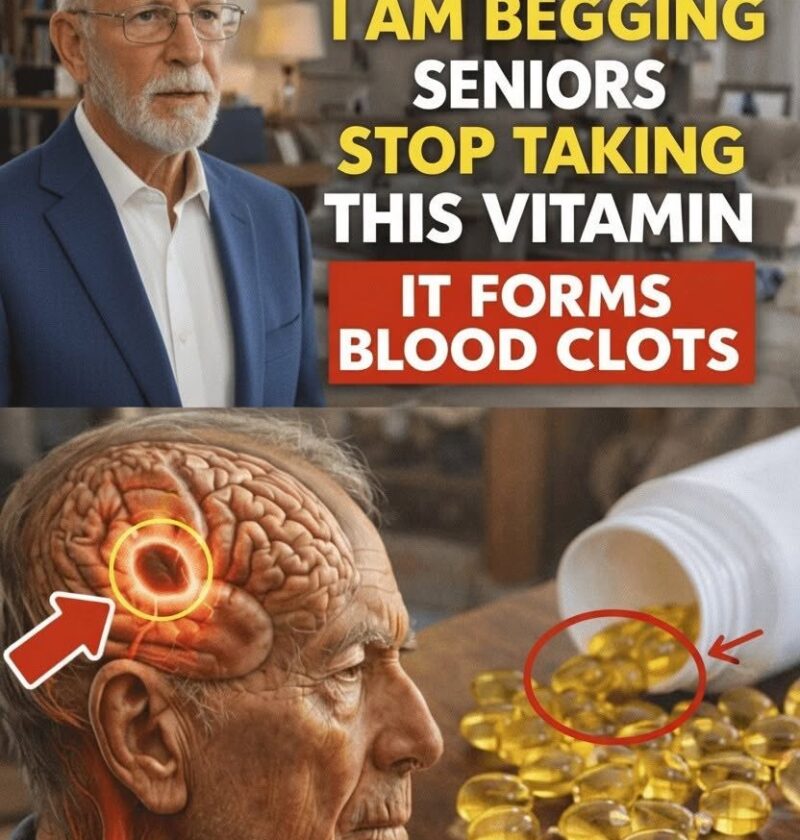
Certain supplements may interact with blood-thinning or antiplatelet medicines. Always tell your doctor or pharmacist what you’re taking.
🧪 Test before treating a deficiency
If you suspect a vitamin deficiency, testing can help determine whether supplementation is actually needed.
🥗 Food comes first
A balanced diet containing vegetables, fruits, whole grains, legumes, healthy proteins, and appropriate sources of fats provides many nutrients important for overall health.
🧠 Protecting the brain means more than taking vitamins
Controlling blood pressure, managing diabetes and cholesterol, staying physically active, avoiding tobacco, maintaining a healthy weight, and getting adequate sleep are important parts of reducing stroke risk.
🚨 Know the warning signs
Sudden face drooping, arm weakness, speech difficulty, vision problems, severe dizziness, or loss of balance can signal a stroke. Stroke symptoms require emergency medical attention—don’t wait for them to disappear.
Bottom line: Don’t start, stop, or take high doses of vitamins specifically to prevent a stroke without discussing your individual situation with a healthcare professional.
❤️ Your brain deserves a complete health strategy—not a single supplement.