What Is Normal Blood Pressure for Your Age? A Clear, Updated Guide
A common misconception is that “normal” blood pressure gets much higher as you get older. For adults, current American Heart Association/American College of Cardiology guidance does not use a separate higher “normal” range simply because someone is older. The general goal is to keep blood pressure below 130/80 mm Hg when appropriate, while treatment decisions are individualized.
Adult Blood Pressure Categories
| Blood pressure | Category |
|---|---|
| Below 120/80 | Normal |
| 120–129 and below 80 | Elevated |
| 130–139 or 80–89 | Stage 1 hypertension |
| 140 or higher or 90 or higher | Stage 2 hypertension |
| Above 180 and/or above 120 | Severe hypertension |
What About Older Adults?
Someone in their 60s, 70s, or 80s does not automatically need a higher blood pressure because of age. The 2025 guideline recommends a treatment goal generally below 130/80 mm Hg, while clinicians consider overall health, cardiovascular risk, other medical conditions, medications, and the person’s ability to tolerate treatment.
One Reading Doesn’t Tell the Whole Story
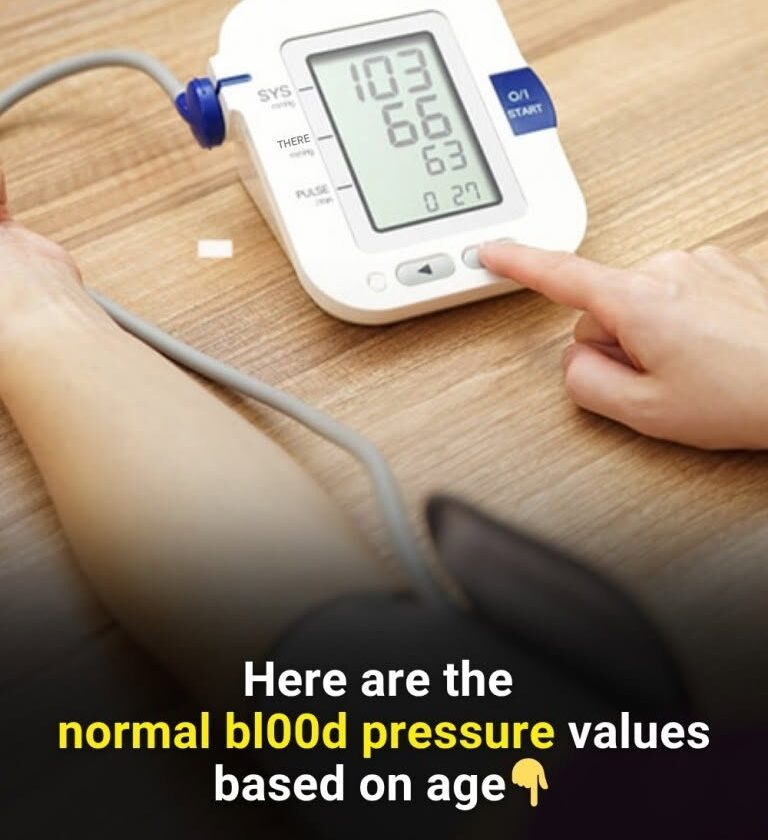
Blood pressure naturally changes throughout the day. A diagnosis of hypertension should not usually be based on one isolated reading. For home monitoring, use a validated upper-arm cuff, sit quietly with your back supported and feet flat on the floor, and take careful repeated measurements.
When Is It an Emergency?
If your blood pressure is above 180/120, repeat the measurement after a short rest. If it remains that high, contact a healthcare professional promptly. If it is that high and you have chest pain, shortness of breath, weakness/numbness, vision changes, back pain, or difficulty speaking, seek emergency medical help immediately.