🍓 8 Fruits That May Support Healthy Circulation
The phrase “blood-clot-busting fruits” is misleading. No fruit can safely dissolve an existing blood clot or replace anticoagulant treatment. A heart-healthy diet can, however, support overall cardiovascular health. The American Heart Association recommends eating a variety of fruits and vegetables as part of a heart-healthy dietary pattern. (professional.heart.org)
1. 🍓 Berries
Strawberries, blueberries, raspberries and blackberries provide fiber and plant compounds that can fit well into a cardiovascular-friendly diet.
2. 🍊 Oranges and other citrus
Citrus fruits provide vitamin C, potassium and other nutrients. Whole fruit is preferable to sugary fruit drinks.
3. 🍎 Apples
Apples provide fiber and are an easy way to add whole fruit to the diet.
4. 🍇 Grapes
Grapes contain polyphenols and can be part of a balanced diet. Choose whole grapes rather than heavily sweetened grape products.
5. 🥝 Kiwi
Kiwi supplies vitamin C, fiber and potassium. It does contain vitamin K, however, so people taking warfarin should keep their intake consistent rather than suddenly eating large amounts. (www.heart.org)
6. 🍉 Watermelon
Watermelon contributes fluid and potassium and can be a refreshing choice, particularly in hot weather.
7. 🍐 Pears
Pears provide dietary fiber and can be a simple alternative to processed sweet snacks.
8. 🍑 Peaches and other stone fruits
Peaches, plums and similar fruits provide fiber, potassium and various plant nutrients.
⚠️ If you’re taking a blood thinner
This is particularly important: don’t use fruit as a substitute for prescribed anticoagulants or antiplatelet medicines. These medicines are specifically used to prevent dangerous clots. (nhs.uk)
If you’re taking warfarin, don’t suddenly make major changes to your diet. Some foods and drinks—including cranberry and grapefruit products—can interact with warfarin, and vitamin-K intake should remain reasonably consistent. (nhs.uk)
Grapefruit can also interact with certain other medicines, including clopidogrel, so medication-specific advice is important. (nhs.uk)
🚨 If you think you already have a blood clot
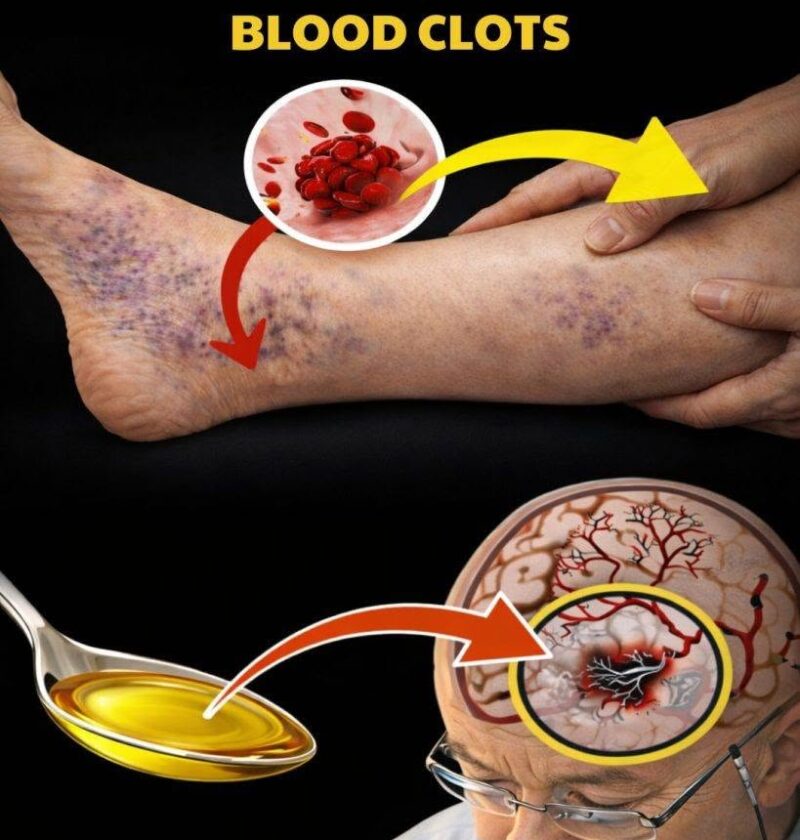
Don’t try to treat it with fruit, supplements or home remedies. One-sided leg swelling/pain, sudden shortness of breath, chest pain, coughing blood, or fainting can indicate a serious clot and require urgent medical evaluation.
Bottom line: Fruits can be part of a diet that supports cardiovascular health, but there is no fruit that safely “clears” an existing blood clot. The most effective protection comes from appropriate medical treatment plus a healthy overall diet and lifestyle.