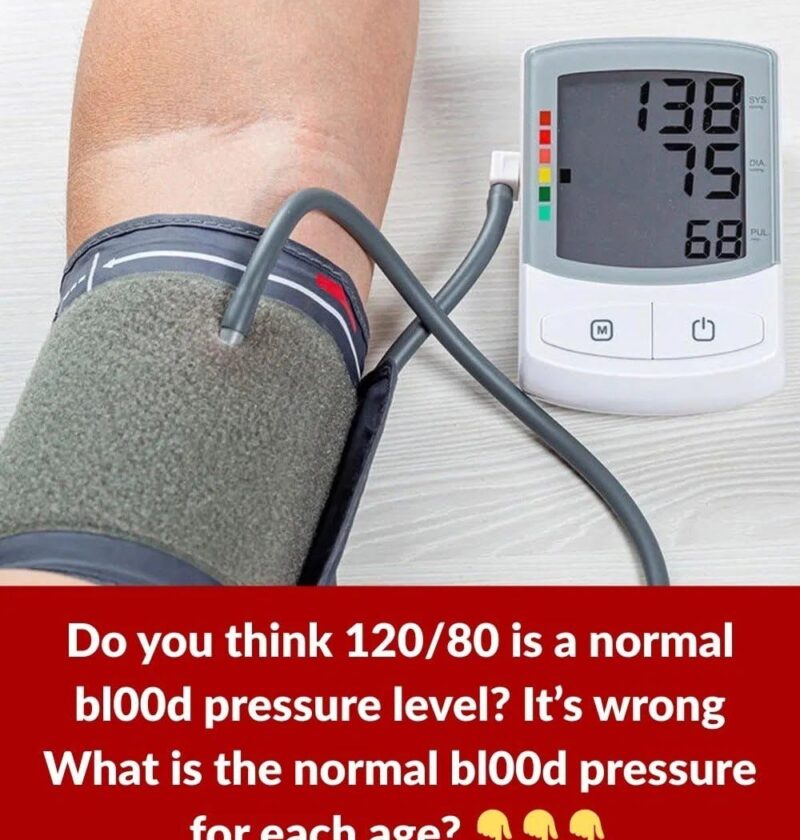
Normal blood pressure is not usually defined by age alone. For most healthy adults, blood pressure is considered normal if it is below 120/80 mmHg. However, typical ranges vary somewhat across childhood and adolescence.
Typical Blood Pressure Ranges by Age
| Age Group | Approximate Normal Blood Pressure |
|---|---|
| Newborn (0–1 month) | 60–90 / 20–60 mmHg |
| Infant (1–12 months) | 80–100 / 55–65 mmHg |
| Toddler (1–5 years) | 90–105 / 55–70 mmHg |
| Child (6–12 years) | 95–110 / 60–75 mmHg |
| Teen (13–17 years) | 100–120 / 65–80 mmHg |
| Adult (18+ years) | Less than 120 / 80 mmHg |
Adult Blood Pressure Categories
| Category | Systolic (Top Number) | Diastolic (Bottom Number) |
|---|---|---|
| Normal | <120 | and <80 |
| Elevated | 120–129 | and <80 |
| High Blood Pressure (Stage 1) | 130–139 | or 80–89 |
| High Blood Pressure (Stage 2) | ≥140 | or ≥90 |
| Hypertensive Crisis | ≥180 | and/or ≥120 |
A Common Mistake
Many people think that higher blood pressure is “normal for older adults.” While blood pressure tends to rise with age, current medical guidelines generally aim for less than 120/80 mmHg in adults when possible, regardless of age, though treatment goals may be individualized by a healthcare professional.
If you’d like, I can also provide a chart showing normal blood pressure ranges specifically for men, women, or older adults (60+, 70+, 80+).