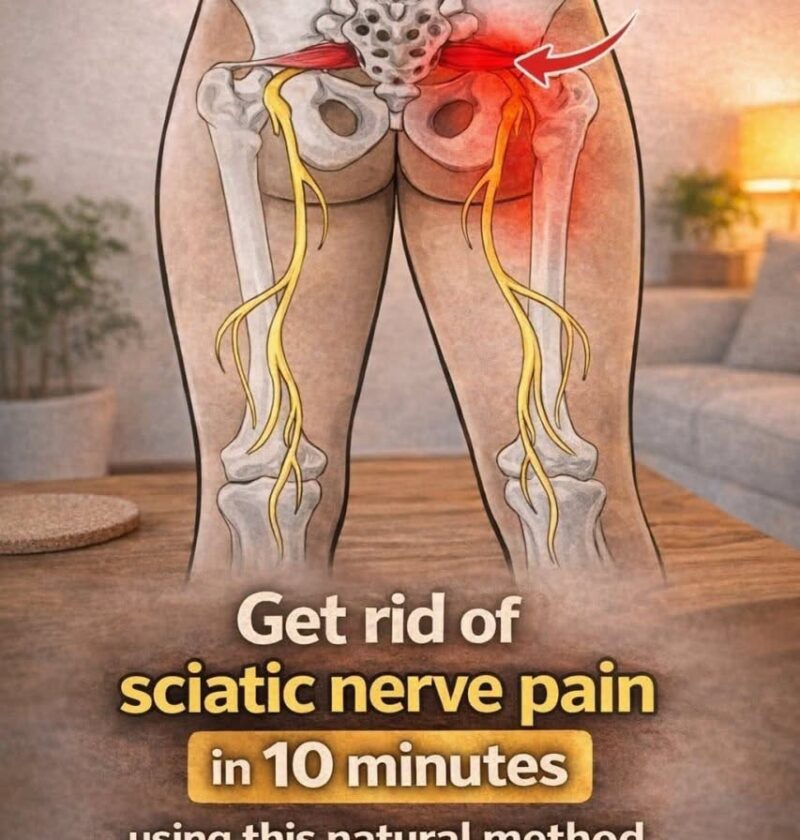
Gentle movement can help many people with sciatica, but no single stretch works for everyone. The goal is comfortable, controlled movement—not forcing a stretch. NHS guidance recommends staying as active as possible and using gentle exercise rather than prolonged bed rest.
N
nhs.uk
+1
Gentle options to try
Knee-to-chest: Lie on your back with knees bent. Slowly bring one knee toward your chest, hold gently for about 5–10 seconds, then switch sides.
H
Hospital for Special Surgery
+1
Knee rolls: Lie on your back with knees bent and feet supported. Slowly let both knees move a little from side to side while keeping the movement comfortable.
M
Musculoskeletal Matters
Pelvic tilts: With knees bent while lying down, gently tighten your abdominal muscles and flatten your lower back against the surface. Hold briefly and release.
M
Musculoskeletal Matters
Gentle bridge: Lie on your back with knees bent and feet flat. Tighten your core and slowly raise your hips, then lower them. Stop if it increases your leg pain.
H
Hospital for Special Surgery
Gentle walking: Short, comfortable walks can be preferable to sitting or lying down for long periods. Build up gradually.
N
nhs.uk
+1
Don’t push through worsening pain. Stop an exercise if it causes significant pain or makes your symptoms worse. If you’re unsure whether an exercise is appropriate for you, especially after an injury or if you have another health condition, speak with a doctor or physiotherapist first.
N
nhs.uk
Get urgent medical help
Seek emergency care if sciatica is accompanied by new bladder or bowel-control problems, difficulty passing urine, numbness around the genitals or anus, or severe/worsening weakness or numbness in both legs.
N
nhs.uk
N
H
M
Sources