What Is Atorvastatin and Why Is It Commonly Prescribed?
Atorvastatin is a prescription statin (cholesterol-lowering medicine). It reduces the amount of cholesterol the liver makes and helps lower LDL (“bad”) cholesterol. By reducing cholesterol buildup in arteries, it can lower the risk of heart attack and stroke. (medlineplus.gov
)
Why doctors prescribe it
Atorvastatin may be recommended for people who:
Have high LDL cholesterol or certain forms of high cholesterol.
Have established cardiovascular disease.
Have diabetes and an elevated cardiovascular risk.
Have a sufficiently high overall risk of heart attack or stroke, even when cholesterol isn’t extremely high. (medlineplus.gov
)
It is commonly prescribed because statins are among the most effective and extensively studied medicines for reducing cardiovascular risk. (medlineplus.gov
)
What side effects should you know?
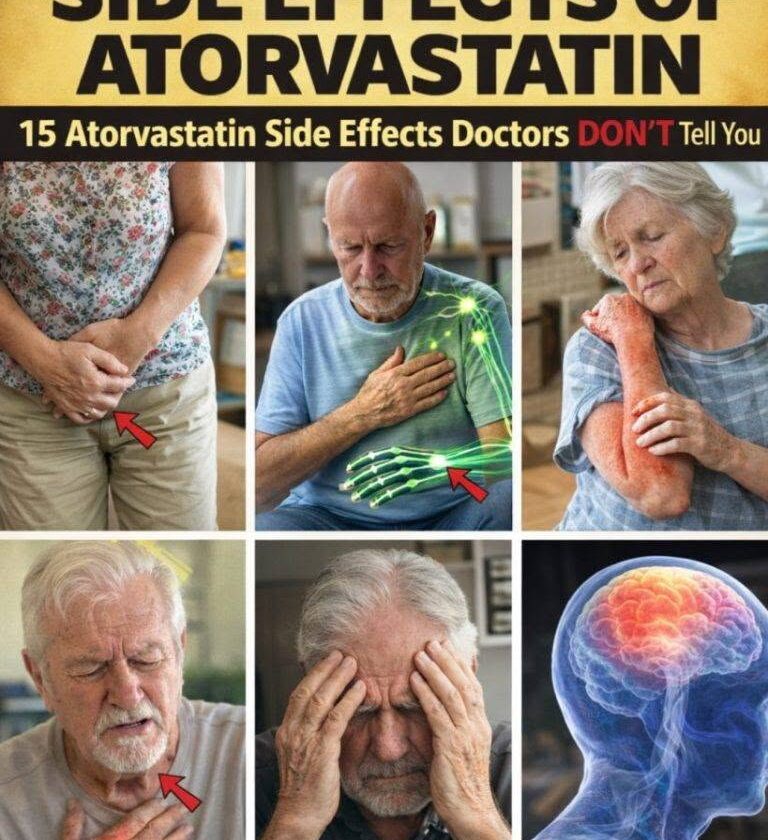
Many people tolerate atorvastatin well. Possible effects include muscle or joint aches, diarrhea, nausea, constipation, dizziness, or headache. Serious muscle injury and significant liver injury are uncommon. (medlineplus.gov
)
Contact your doctor promptly if you develop unexplained severe muscle pain or weakness, dark urine, yellowing of the skin or eyes, or unusual extreme fatigue. (medlineplus.gov
)
One important point
Don’t stop atorvastatin simply because you feel well or because your cholesterol has improved. The improvement is often a result of the medication working. Talk to your prescriber before stopping or changing the dose. (medlineplus.gov
)
If you’re taking atorvastatin and want to know whether your particular dose (10, 20, 40, or 80 mg) is appropriate, I can explain what each dose generally does and what factors determine the choice.