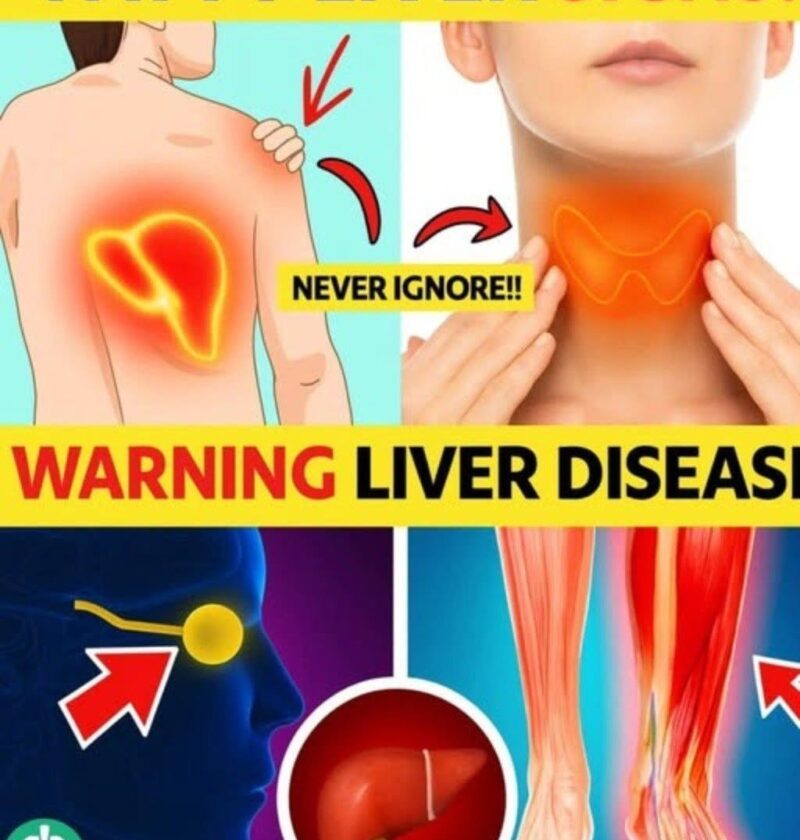
Early-stage fatty liver disease often causes no symptoms at all, which is why many people discover it only through routine blood tests or imaging. However, some people may experience subtle signs that can be associated with fatty liver disease.
Possible early symptoms include:
- Persistent fatigue or low energy
- Discomfort, fullness, or a dull ache in the upper right side of the abdomen
- Unexplained weakness
- Difficulty concentrating or “brain fog”
- Mild enlargement of the liver detected during a medical examination
Risk factors that increase the likelihood of fatty liver disease include:
- Overweight or obesity
- Type 2 diabetes
- High cholesterol or high triglycerides
- High blood pressure
- Metabolic syndrome
- Excessive alcohol consumption (for alcohol-related fatty liver disease)
As liver disease progresses, more serious symptoms can develop, such as:
- Yellowing of the skin or eyes (jaundice)
- Swelling of the abdomen or legs
- Easy bruising
- Severe fatigue
- Confusion or changes in mental status
It’s important to note that these symptoms are not specific to fatty liver disease and can occur with many other conditions. A diagnosis typically requires evaluation by a healthcare professional, often including blood tests and imaging studies such as an ultrasound.
If you’re concerned about fatty liver disease, the most effective steps are usually:
- Achieving and maintaining a healthy weight
- Regular physical activity
- Limiting or avoiding alcohol
- Managing diabetes, blood pressure, and cholesterol
- Following a balanced diet rich in vegetables, fruits, whole grains, and lean proteins
If you’re experiencing symptoms or have risk factors, consider discussing them with a healthcare professional, who can recommend appropriate testing and treatment.