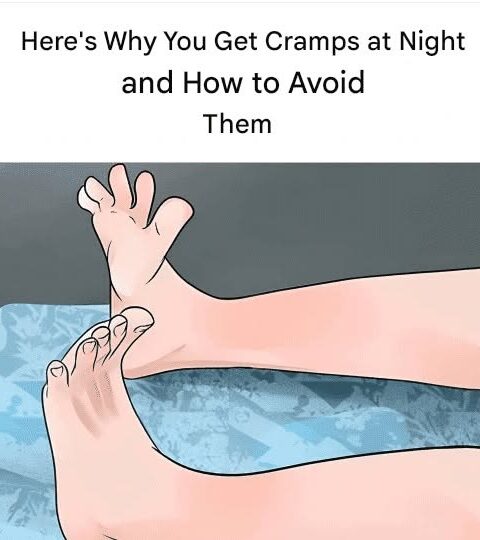
That headline is another common “viral health hack” style claim. There is no single drink that reliably prevents nighttime leg cramps, but some hydration and electrolyte habits can help reduce them in certain people.
Nighttime leg cramps are often linked to muscle fatigue, dehydration, nerve issues, or mineral imbalance, not one missing “magic drink.”
What actually helps nighttime leg cramps
1) Water (simple but important)
Mild dehydration can make cramps more likely, especially in hot climates or after exercise. Staying well-hydrated during the day is more effective than chugging fluids right before bed.
2) Electrolyte balance (not just “magnesium drinks”)
Muscle function depends on:
- Potassium
- Magnesium
- Calcium
- Sodium
A balanced diet usually covers this better than supplements alone.
3) Warm fluids before bed (comfort effect)
A warm drink may help relaxation and sleep quality, which can indirectly reduce cramp frequency:
- Warm water
- Herbal tea (non-caffeinated)
4) Magnesium-rich foods (more reliable than drinks)
Low magnesium is sometimes associated with cramps, though evidence is mixed:
- Nuts
- Seeds
- Whole grains
- Leafy greens
Evidence-based ways to reduce night cramps
- Stretch calf muscles before bed
- Stay active during the day
- Avoid long sitting periods
- Check footwear if you stand a lot
- Manage conditions like Type 2 diabetes or nerve issues if present
For frequent or severe cramps, doctors may evaluate circulation, nerve function, or medication side effects.
When to get checked
Seek medical advice if cramps:
- Happen most nights
- Are very painful or worsening
- Come with swelling, numbness, or weakness
- Started after a new medication