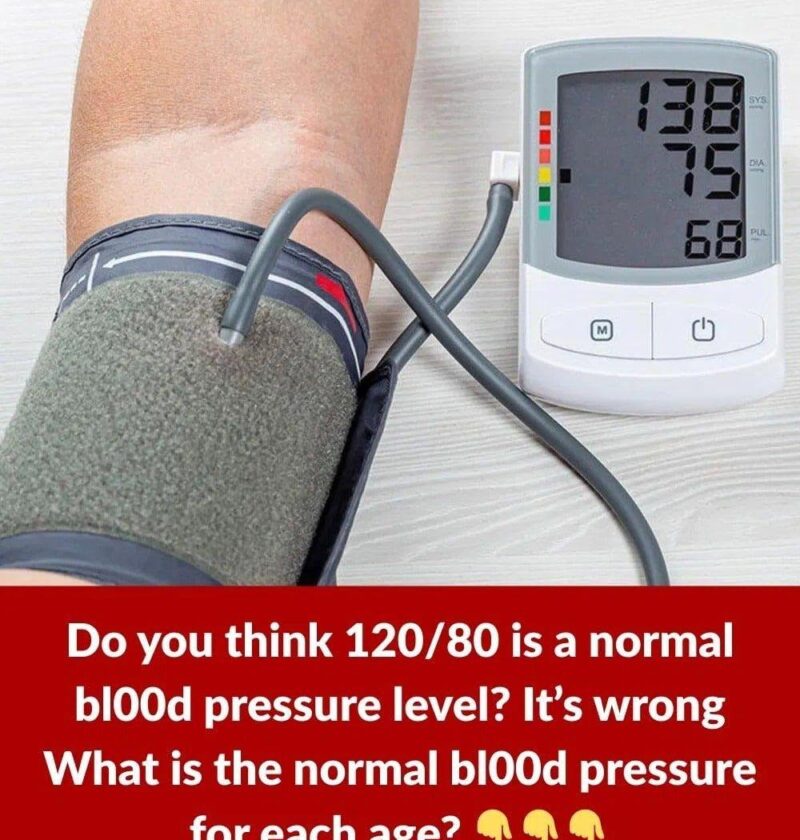
Blood pressure varies a bit with age, body size, and health, but modern medical guidelines don’t define completely different “normal BP” for each age group. Instead, most adults are assessed using a common standard.
Blood pressure is measured as:
- Systolic (top number) = pressure when heart beats
- Diastolic (bottom number) = pressure when heart rests
🩺 Normal Blood Pressure by Age Group
👶 Children (1–12 years)
- Usually lower than adults
- Rough range: 90/60 to 110/70 mmHg
- Depends heavily on height and age
🧑 Teenagers (13–18 years)
- Similar to adults but slightly lower on average
- Normal: ~100/60 to 120/80 mmHg
🧑💼 Adults (18–59 years)
- Standard “normal” range:
- Less than 120/80 mmHg
- Elevated: 120–129 / less than 80
- High blood pressure: 130/80 mmHg or higher (Hypertension)
👴 Older adults (60+ years)
- Often slightly higher systolic is common due to artery stiffness
- Typical acceptable range:
- 110–140 / 70–90 mmHg
- But ideally still kept below 130/80 if possible
⚠️ Key Medical Standards (All Ages)
- Normal: below 120/80
- Elevated: 120–129 / <80
- Stage 1 high BP: 130–139 / 80–89
- Stage 2 high BP: ≥140 / ≥90
- Low BP (hypotension): below ~90/60 (can vary by person)
🧠 Important point
There is no “safe high BP by age.” Even in older adults, long-term high pressure increases risk of:
- Heart disease
- Stroke
- Kidney damage
If you want, I can also tell you:
- What BP readings are dangerous right now
- Or how to naturally lower BP without medication changes (diet + habits)