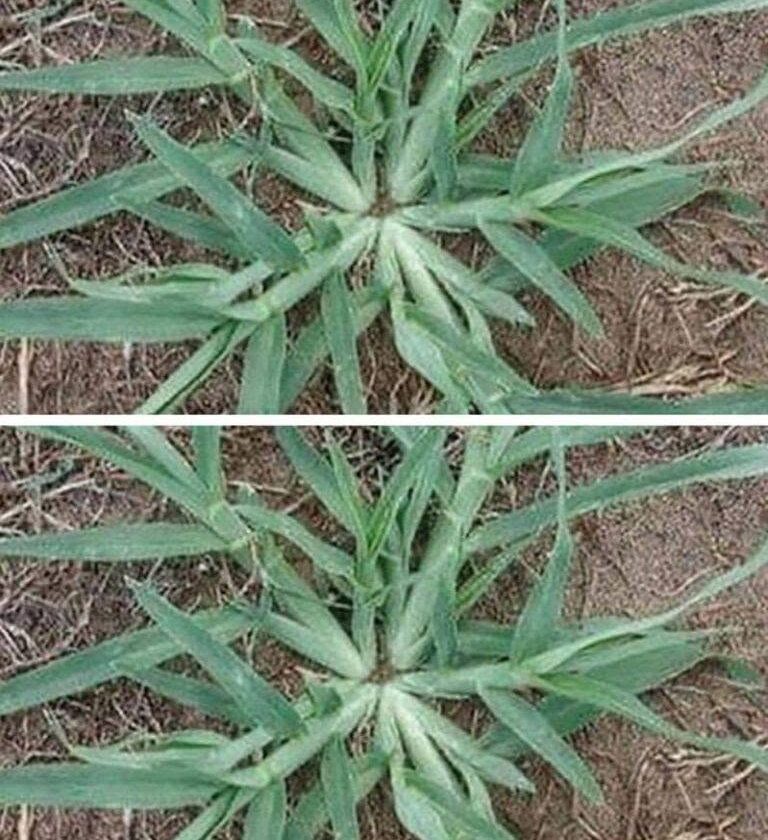
But there is a real idea behind these posts: some “wild” plants are beneficial, while others are invasive weeds.
🌿 What These Posts Usually Mean
They often refer to plants that are either:
🌱 1. Medicinal or useful “wild herbs”
Some common garden plants people mistakenly remove include:
- 🪴 Dandelion — edible leaves, supports pollinators
- 🌿 Plantain (Plantago) — traditionally used for minor skin irritation
- 🌼 Clover — improves soil nitrogen, good for bees
These are sometimes called “beneficial weeds.”
🐝 2. Pollinator-friendly plants
Some wild plants attract bees and butterflies, helping your garden ecosystem.
- Wildflowers
- Clover
- Certain native grasses
🚫 3. Invasive weeds (where removal IS recommended)
Some plants spread aggressively and damage gardens:
- Bindweed
- Nut grass
- Invasive vines or thorny weeds
These should usually be removed.
⚠️ Important Truth
There is no universal “never uproot this plant” rule because:
- A useful plant in one region can be a weed in another
- Some plants are edible but still invasive
- Identification matters more than viral claims
🌿 What You Should Do Instead
✔ Identify the plant first (don’t rely on social media advice)
✔ Check if it is native or invasive in your area
✔ Decide based on your garden goals (food, flowers, lawn, etc.)
✔ If unsure, take a photo and ask a local gardener or extension service
🌟 Bottom Line
The claim “never uproot this plant if it appears in your garden” is not scientifically valid as a general rule. Some wild plants are helpful, others are harmful, and correct identification is the key—not viral warnings.
If you want, I can identify common “mystery garden plants” in Pakistan and tell you which are useful vs weeds.