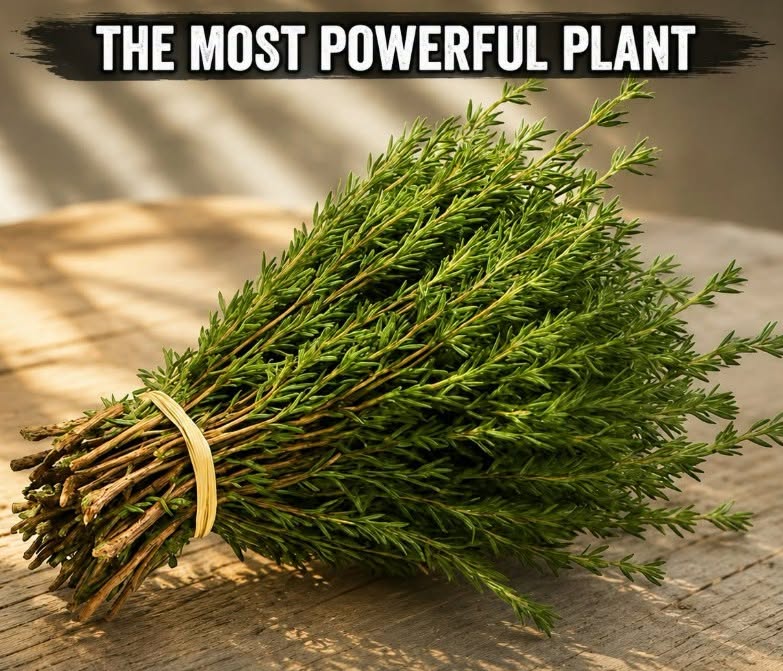
That phrase is typical wellness clickbait. It’s usually referring to Parsley (or sometimes similar herbs like cilantro or basil), framing it as something “powerful” beyond cooking.
Here’s what’s actually true and what’s exaggerated:
🌿 What makes parsley “interesting”
Parsley does contain beneficial nutrients:
- Vitamin K (important for blood clotting and bone health)
- Vitamin C (antioxidant support)
- Folate (cell and DNA function)
- Small amounts of antioxidants like flavonoids
So yes—it’s more than decoration on a plate.
🧪 Claimed “powerful” effects (what’s overstated)
You may see claims like:
- “Detoxes the body”
- “Cleans kidneys”
- “Treats inflammation or disease”
👉 These are not supported by strong clinical evidence in humans. Parsley supports nutrition, but it is not a medical treatment or detox agent.
Your liver and kidneys already handle detoxification.
💧 Mild, real effects it may have
In normal food amounts, parsley may:
- Slightly support digestion
- Act as a mild diuretic (in large herbal amounts)
- Contribute antioxidants to the diet
But these effects are modest, not dramatic.
⚠️ When to be cautious
High intake (especially concentrated extracts or teas) may not be suitable for:
- People on blood thinners (due to vitamin K content)
- Pregnant individuals (very high medicinal doses are not recommended)
- Those with kidney issues (very large amounts of certain compounds like oxalates)
🧠 Bottom line
Parsley is:
- ✔️ Healthy as a fresh herb in food
- ✔️ Nutrient-rich
- ❌ Not a “powerful cure” or detox remedy
If you want, I can break down other “viral herbs” (like ginger, turmeric, or bay leaf) and what science actually says about them vs. online claims.