The kidneys filter waste from the blood, regulate fluids, and balance electrolytes. Because of this, they are sensitive to drugs that alter blood flow, cause dehydration, or produce toxic byproducts.
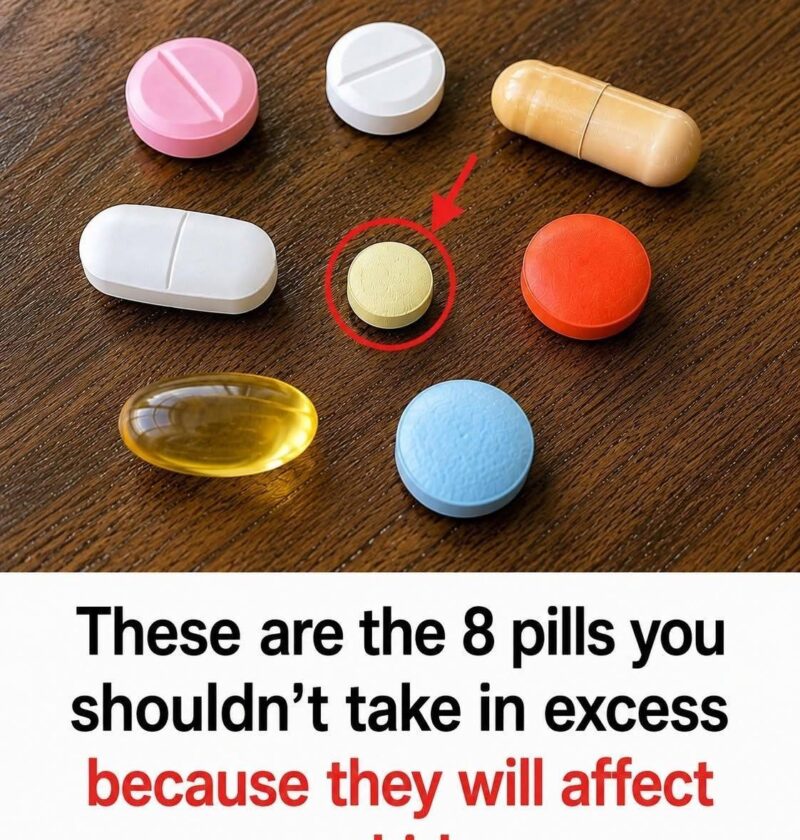
Here are 8 everyday pills that can affect kidney health, and why they’re still commonly sold:
1. Nonsteroidal Anti-Inflammatory Drugs (NSAIDs)
Examples: Ibuprofen, Naproxen, Aspirin (high doses)
Why they matter:
- Reduce inflammation and pain effectively
- Widely used for headaches, fever, and muscle pain
Kidney risk:
- Can reduce blood flow to the kidneys
- Higher risk with dehydration, older age, or long-term use
2. Proton Pump Inhibitors (PPIs)
Examples: Omeprazole, Pantoprazole
Why they matter:
- Treat acid reflux and ulcers
- Very effective and widely prescribed
Kidney risk:
- Long-term use has been linked to chronic kidney inflammation and gradual function decline in some people
3. ACE Inhibitors
Example: Enalapril
Why they matter:
- Used for high blood pressure and heart protection
- Can actually protect kidneys in diabetes long-term
Kidney risk:
- May reduce kidney filtration temporarily, especially when starting or in dehydration
4. Diuretics (“Water Pills”)
Example: Furosemide
Why they matter:
- Help remove excess fluid in heart failure, liver disease, and hypertension
Kidney risk:
- Can lead to dehydration or electrolyte imbalance if not monitored
5. Antibiotics (Certain Types)
Example: Gentamicin
Why they matter:
- Essential for treating serious bacterial infections
Kidney risk:
- Some antibiotics can be directly toxic to kidney cells, especially in high doses or prolonged use
6. Diabetes Medications (SGLT2 Inhibitors)
Example: Empagliflozin
Why they matter:
- Help lower blood sugar and reduce heart/kidney complications
Kidney risk:
- Can cause temporary changes in kidney filtration and fluid balance (usually monitored rather than harmful long-term)
7. Lithium (Mood Stabilizer)
Example: Lithium
Why it matters:
- Highly effective for bipolar disorder
Kidney risk:
- Long-term use can reduce kidney concentrating ability and, in some cases, lead to chronic kidney damage
8. Contrast Agents (Used in Imaging)
Example: iodinated contrast (used in CT scans)
Why they matter:
- Essential for clear diagnostic imaging
Kidney risk:
- Can cause temporary kidney stress in vulnerable patients, especially those with pre-existing kidney disease
Why Are These Still Sold?
Because in most cases:
- The benefits outweigh the risks
- Kidney effects are often rare or preventable
- Doctors can reduce risk through dose adjustment, hydration, and monitoring
These medications are important for treating serious conditions like pain, infection, heart disease, and mental health disorders.
Key Takeaway
Kidney risk usually depends not just on the drug, but on:
- Dose and duration
- Age and hydration status
- Existing kidney disease
- Drug combinations
Used responsibly under medical guidance, these medications remain safe and essential—but awareness helps prevent avoidable kidney injury.