Headlines claiming “colonoscopy will no longer be an invasive examination” are misleading. While new technologies are making colorectal cancer screening more comfortable and accessible, traditional colonoscopy has not been replaced.
A Colonoscopy remains the most thorough test because it allows a doctor to:
- Examine the entire colon.
- Remove polyps during the procedure.
- Take tissue samples (biopsies) if needed.
Several less invasive alternatives are available or being developed:
- Stool-based tests: These detect hidden blood or abnormal DNA associated with Colorectal cancer. They can be done at home, but an abnormal result usually requires a follow-up colonoscopy.
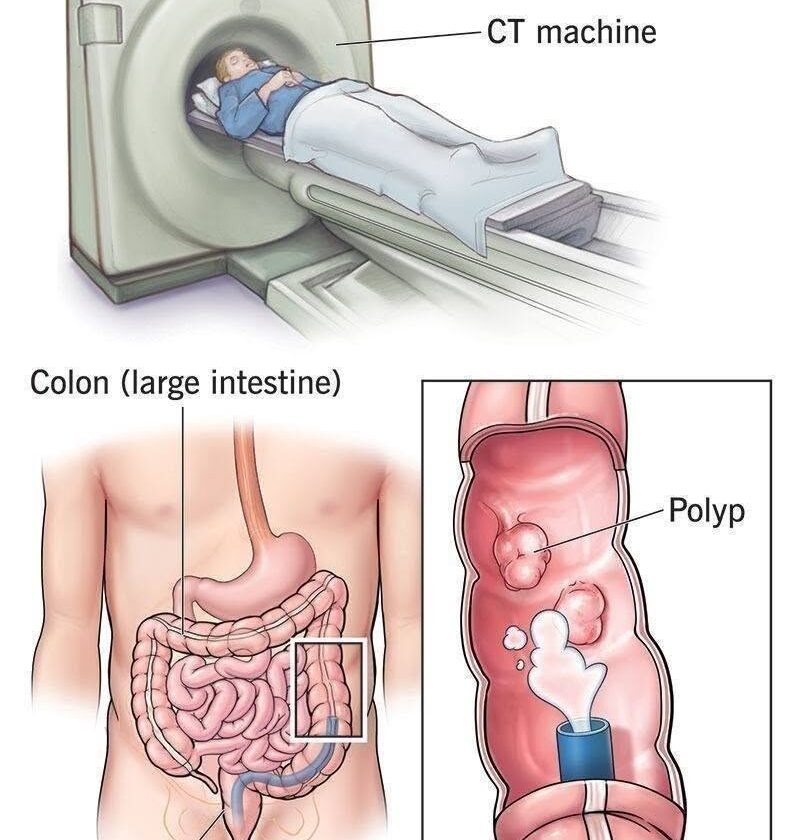
- CT colonography: Also called a “virtual colonoscopy,” this uses CT scans to create images of the colon. It still requires bowel preparation, and suspicious findings typically need to be confirmed with a standard colonoscopy.
- Capsule endoscopy: A person swallows a small camera capsule. It is useful in certain situations but is not a routine replacement for colonoscopy for colorectal cancer screening.
These newer methods can reduce the need for invasive testing in some people, particularly those at average risk. However, if a screening test finds something abnormal, a standard colonoscopy is usually still necessary to diagnose or treat the problem.
The most appropriate screening test depends on factors such as your age, family history, personal risk factors, and previous screening results. A healthcare provider can help determine which option is best for your situation.