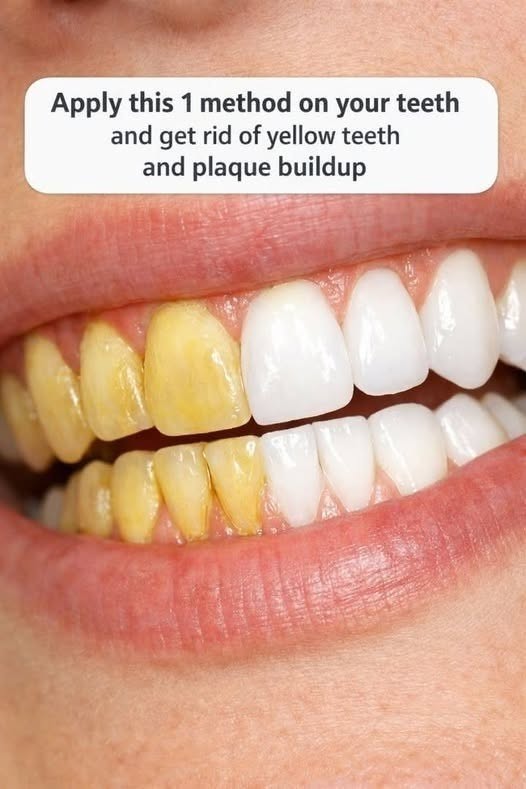
The headline “A Simple Dental Care Method That May Help Reduce Plaque Buildup” is plausible, but the specific method matters. There is no single trick that replaces regular brushing and flossing.
Here are evidence-based ways to reduce plaque:
- Brush twice a day
- Use a fluoride toothpaste.
- Brush for about 2 minutes each time.
- An electric toothbrush may remove slightly more plaque than a manual one for some people.
- Clean between your teeth daily
- Floss or use interdental brushes, depending on the spacing of your teeth.
- This removes plaque where a toothbrush can’t reach.
- Use an antimicrobial or fluoride mouthwash (if appropriate)
- Some mouthwashes can reduce plaque and gingivitis when used in addition to brushing and flossing.
- They are a supplement, not a substitute for mechanical cleaning.
- Limit sugary foods and drinks
- Frequent sugar intake feeds bacteria that contribute to plaque and tooth decay.
- Get regular dental checkups and cleanings
- Hardened plaque (tartar) cannot be removed by brushing alone and requires professional cleaning.
Be cautious of viral “dental hacks”
Claims that coconut oil, baking soda, lemon juice, hydrogen peroxide, or other home remedies can “dissolve plaque” or replace brushing are not supported by strong evidence. Some, such as frequent use of lemon juice or abrasive scrubbing with baking soda, can even damage tooth enamel or irritate the gums.
Bottom line: The simplest proven way to reduce plaque is to brush twice daily with fluoride toothpaste, clean between your teeth once a day, and see your dentist regularly. These habits have far stronger scientific support than viral home remedies.