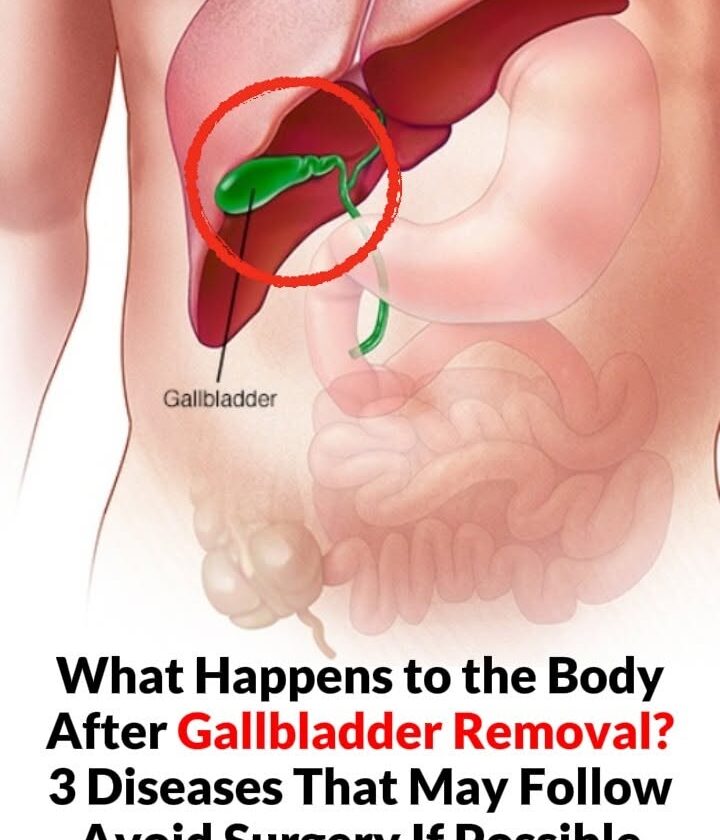
Gallbladder removal (cholecystectomy) is a common operation and is often the best treatment for problems such as recurrent gallstones, gallbladder inflammation, or certain gallbladder complications. However, like any surgery, it can have effects on the body. The idea that people should “avoid surgery if possible” is not always correct—whether surgery is appropriate depends on the individual’s condition and the risks of leaving the problem untreated.
What Happens to the Body After Gallbladder Removal?
The gallbladder stores bile made by the liver and releases it when needed, especially after fatty meals. After removal:
- The liver still makes bile.
- Bile flows directly into the small intestine instead of being stored.
- Most people can digest food normally and return to regular activities.
Some people notice temporary digestive changes, especially in the first weeks or months.
3 Possible Issues After Gallbladder Removal
1. Diarrhea or changes in bowel habits
Because bile continuously enters the intestine, some people experience looser stools or more frequent bowel movements, especially after fatty meals.
Helpful habits:
- Gradually increase dietary fat after surgery.
- Eat smaller meals.
- Increase fiber slowly if tolerated.
2. Bile reflux or digestive discomfort
Some people may experience bloating, indigestion, nausea, or upper abdominal discomfort. These symptoms can have several causes and may not always be due to the surgery itself.
3. Changes in cholesterol or bile-related problems
Rarely, some people may develop issues such as bile duct stones or other digestive complications. Regular medical follow-up is important if symptoms occur.
When Gallbladder Removal Is Often Recommended
Doctors commonly recommend surgery when there are:
- Repeated painful gallstone attacks
- Gallbladder infection (cholecystitis)
- Blocked bile ducts
- Certain gallbladder polyps or cancer concerns
Delaying needed surgery can sometimes lead to serious complications, including infection, pancreatitis, or damage to the bile ducts.
Supporting Gallbladder Health Before Surgery (When Appropriate)
If someone has gallstones but no urgent complications, a healthcare professional may discuss:
- Maintaining a healthy weight (avoiding rapid weight loss)
- Eating a balanced diet with adequate fiber
- Managing cholesterol and metabolic health
- Monitoring symptoms
The best choice depends on why surgery is being considered, the severity of symptoms, and the person’s overall health. A surgeon or gastroenterologist