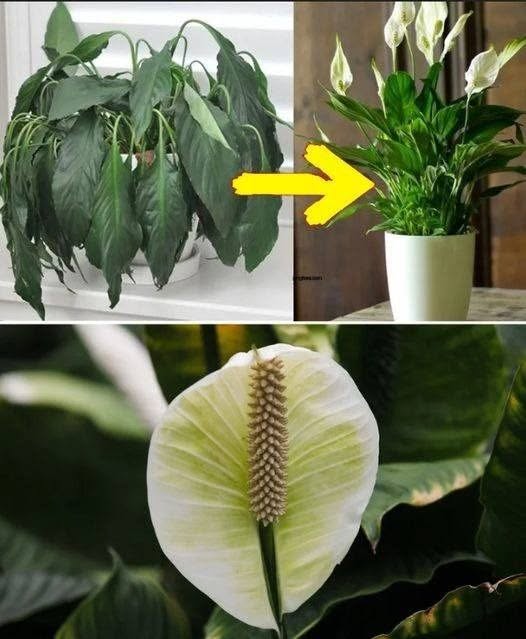
1 Tablespoon in the Pot and My Struggling Plant Bloomed Again? Here’s the Truth Behind the Viral Gardening Hack
Social media is full of claims that adding just one tablespoon of a household ingredient to a plant pot will instantly revive dying plants and produce abundant flowers. While these stories are eye-catching, there is no single ingredient that can guarantee dramatic results for every plant.
Healthy growth depends on proper care, including the right amount of light, water, nutrients, and suitable soil.
🌱 Why Plants Stop Blooming
Plants may struggle or stop flowering for several reasons:
- Insufficient sunlight
- Overwatering or underwatering
- Poor soil drainage
- Lack of nutrients
- Incorrect temperature or humidity
- Pest or disease problems
- Natural seasonal changes
Identifying the underlying cause is the first step toward restoring healthy growth.
🧪 The “One Tablespoon” Myth
Many viral posts recommend adding one tablespoon of ingredients such as:
- Baking soda
- Coffee grounds
- Cinnamon
- Rice
- Sugar
- Yeast
- Eggshell powder
While some of these materials can have limited gardening uses, none has been proven to make all plants bloom again. In fact, using the wrong ingredient—or too much of it—can damage roots, attract pests, or upset the soil’s nutrient balance.
🌸 What Actually Helps Plants Bloom
1. Provide the Right Light
Most flowering plants need several hours of bright light each day. Check the light requirements for your specific plant.
2. Water Properly
Water when the soil begins to dry, but avoid leaving the roots constantly wet.
3. Feed with a Balanced Fertilizer
Use a fertilizer designed for flowering plants according to the label instructions. Too much fertilizer can be just as harmful as too little.
4. Remove Dead Flowers
Deadheading spent blooms encourages many plants to produce new flowers instead of forming seeds.
5. Check for Pests and Diseases
Inspect leaves and stems regularly for insects, mold, or signs of disease that may weaken the plant.
6. Repot If Necessary
If the plant has become root-bound, moving it to a slightly larger pot with fresh potting mix can improve growth.
⚠️ Be Cautious with Homemade Remedies
Household ingredients are not automatically safe for every plant. Before trying any viral gardening hack, consider whether it is suitable for your plant species and use it sparingly. When in doubt, follow evidence-based gardening advice.
🌼 Final Thoughts
There is no miracle tablespoon that can restore every struggling plant. The healthiest, longest-lasting blooms come from providing the right balance of light, water, nutrients, and proper care. With patience and consistent attention, many plants can recover and flower beautifully again—without relying on viral “secret recipes.”