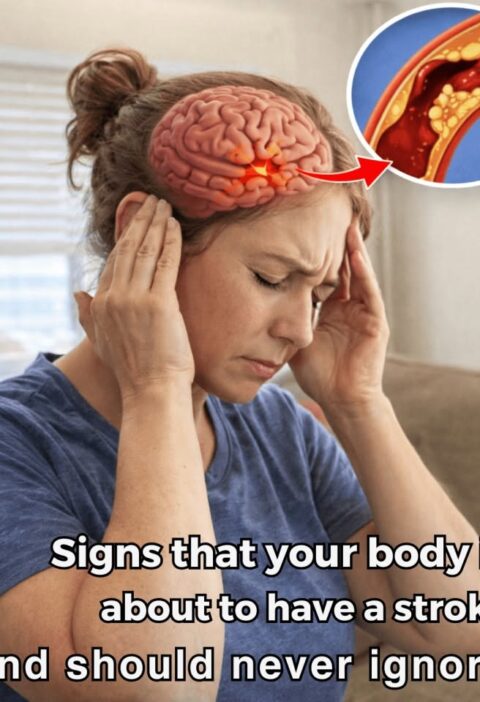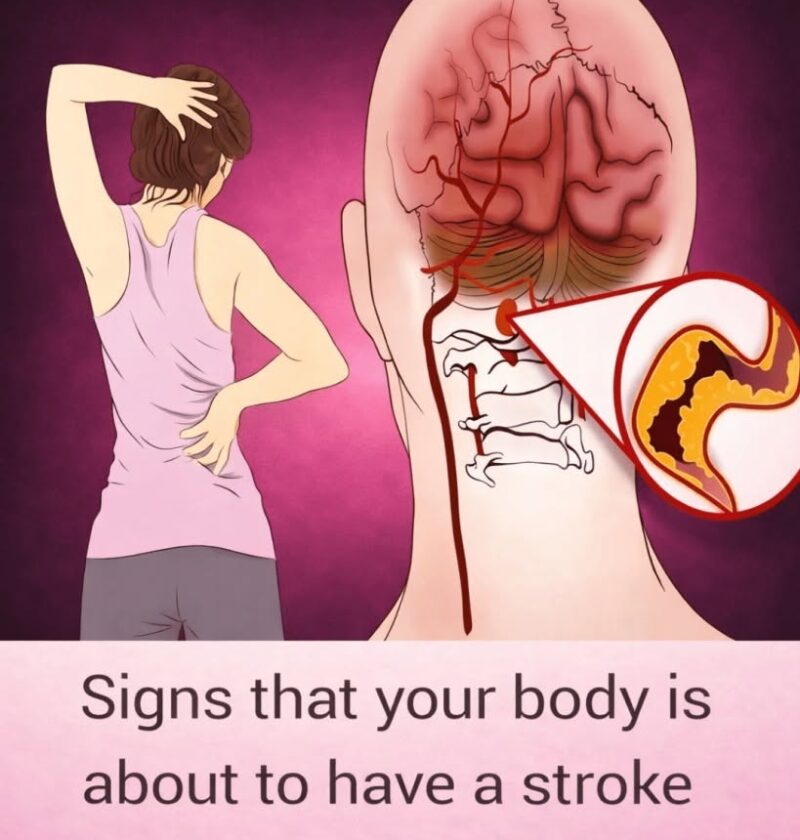
Recognizing the early signs of a stroke can help someone get emergency medical care as quickly as possible. A stroke is a medical emergency, and rapid treatment can significantly improve outcomes.
Here are 10 important warning signs:
- Sudden weakness or numbness in the face, arm, or leg, especially on one side of the body.
- Facial drooping, where one side of the face appears uneven or droops when smiling.
- Difficulty speaking or slurred speech, or trouble understanding what others are saying.
- Sudden confusion or inability to communicate clearly.
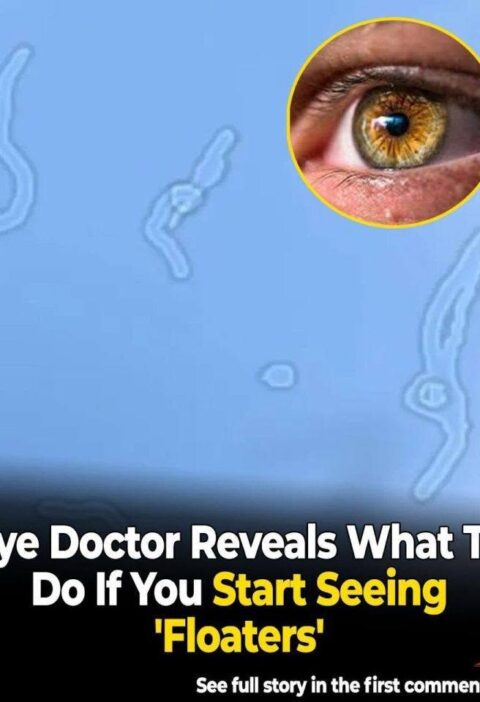
- Vision problems, such as blurred vision, double vision, or sudden loss of vision in one or both eyes.
- Difficulty walking, dizziness, loss of balance, or poor coordination.
- A sudden, severe headache with no obvious cause, particularly if it is unlike previous headaches.
- Sudden trouble swallowing, which can occur with some strokes.
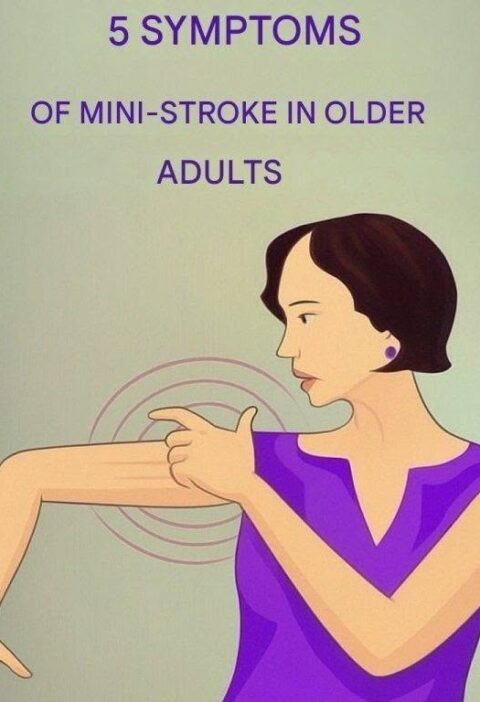
- Sudden weakness or clumsiness in one hand or difficulty lifting one arm.
- A sudden change in alertness, including drowsiness or loss of consciousness, especially when accompanied by other stroke symptoms.
Remember: BE FAST
A simple way to recognize a possible stroke is the BE FAST acronym:
- B – Balance: Sudden loss of balance or coordination.
- E – Eyes: Sudden vision changes.
- F – Face: Ask the person to smile. Does one side droop?
- A – Arms: Ask them to raise both arms. Does one drift downward?
- S – Speech: Is speech slurred or difficult to understand?
- T – Time: Call your local emergency services immediately. Do not wait to see if symptoms improve.
Even if symptoms last only a few minutes and then disappear, they could be a transient ischemic attack (TIA), sometimes called a “mini-stroke.” A TIA is a warning sign that requires urgent medical evaluation because it can precede a major stroke.
If you or someone else develops any of these symptoms, seek emergency medical care right away. Early treatment can reduce brain damage and improve the chances of recovery.