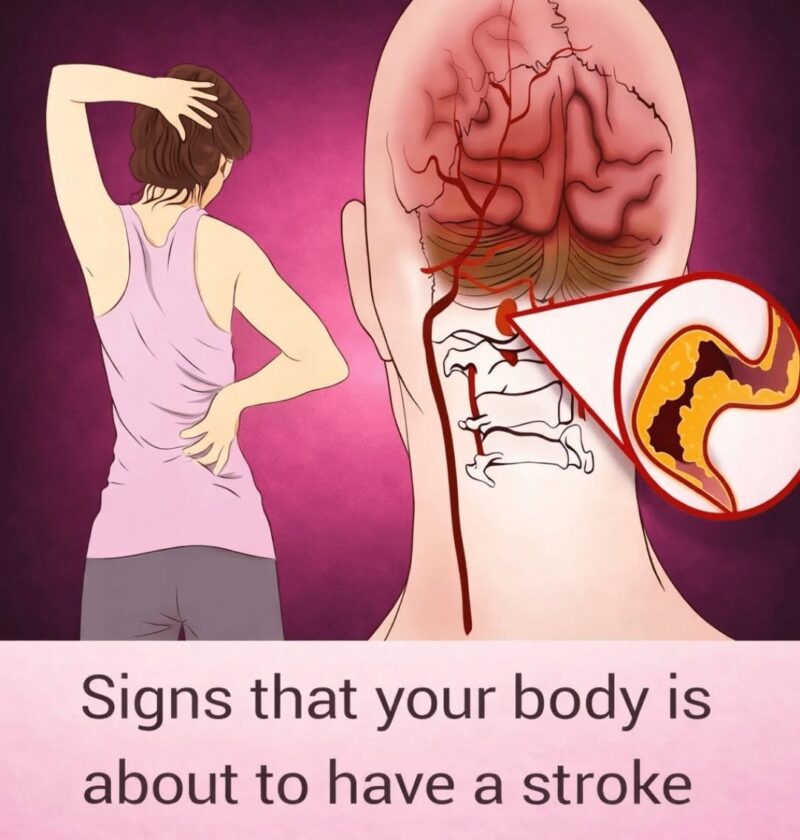
Recognizing a stroke quickly is important because prompt treatment can reduce brain damage and improve recovery. However, strokes do not always have early warning signs, and symptoms usually begin suddenly.
10 warning signs of a stroke
- Sudden numbness or weakness
- Especially in the face, arm, or leg on one side of the body.
- Face drooping
- One side of the face may sag or feel numb.
- Difficulty speaking
- Slurred speech, trouble speaking, or difficulty understanding others.
- Sudden vision problems
- Blurred vision, double vision, or loss of vision in one or both eyes.
- Difficulty walking
- Sudden dizziness, loss of balance, or poor coordination.
- Severe headache
- A sudden, very severe headache with no obvious cause, particularly if accompanied by other neurological symptoms.
- Confusion
- Sudden trouble thinking clearly or understanding what others are saying.
- Difficulty swallowing
- New or sudden trouble swallowing can occur with some strokes.
- Sudden weakness or clumsiness
- Dropping objects or being unable to use one hand normally.
- A transient ischemic attack (TIA or “mini-stroke”)
- Stroke-like symptoms that resolve within minutes or hours. A TIA is a medical emergency because it can be a warning that a major stroke may follow.
Remember FAST
A simple way to recognize the most common signs is FAST:
- F – Face: Ask the person to smile. Does one side droop?
- A – Arms: Ask them to raise both arms. Does one drift downward?
- S – Speech: Is speech slurred or strange?
- T – Time: Call emergency services immediately. Do not wait to see if symptoms improve.
If someone develops sudden stroke symptoms, getting to a hospital as quickly as possible is critical because some treatments are only effective if given within a limited time after symptoms begin. Even if the symptoms go away, the person should still be evaluated urgently.