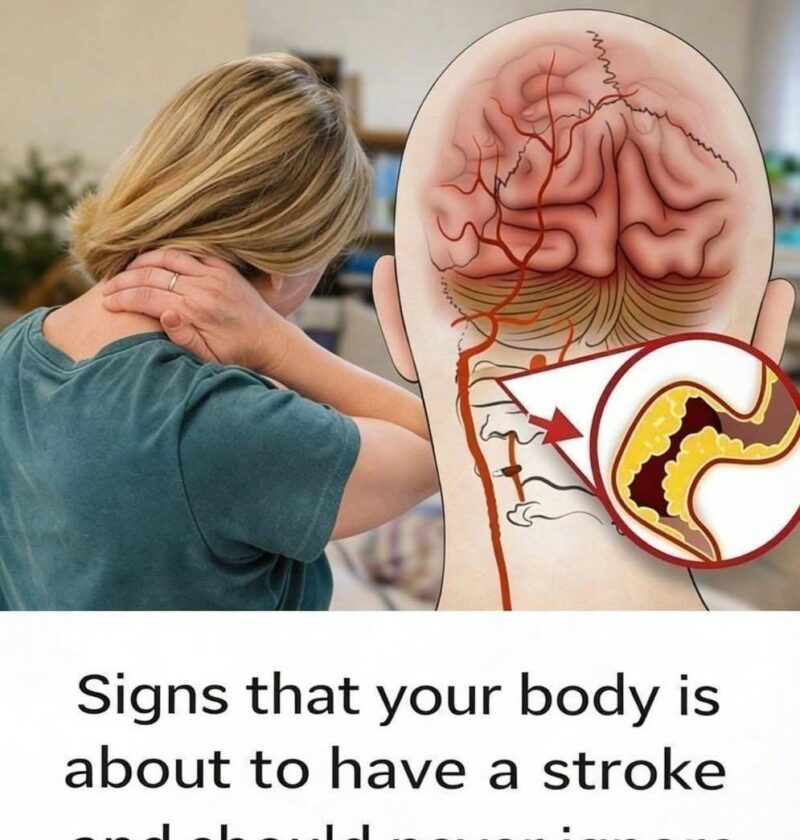
A Stroke is a medical emergency, and the key issue is that warning signs usually come on suddenly, not slowly over days. There isn’t a reliable “10-symptom checklist” that appears in advance for everyone, but there are well-known early or warning symptoms that should never be ignored.
The most important rule is FAST:
- Face drooping
- Arm weakness
- Speech difficulty
- Time to call emergency help immediately
10 warning signs of a possible stroke
1. Sudden weakness or numbness
Especially on one side of the face, arm, or leg.
2. Face drooping
One side of the face may feel numb or look uneven when smiling.
3. Slurred or confused speech
Difficulty speaking, understanding, or finding words.
4. Sudden vision problems
Blurred vision or loss of vision in one or both eyes.
5. Severe, sudden headache
Often described as the “worst headache of life,” more common in hemorrhagic stroke.
6. Loss of balance or coordination
Dizziness, stumbling, or difficulty walking.
7. Confusion or difficulty thinking
Sudden trouble understanding simple things or staying oriented.
8. Numbness or tingling
Especially sudden and one-sided.
9. Trouble swallowing
Food or saliva may feel difficult to manage.
10. Sudden collapse or fainting
Can occur if blood flow to the brain is severely disrupted.
Important context
A Stroke happens when blood flow to part of the brain is blocked or a blood vessel bursts. The damage can begin within minutes, which is why immediate action matters more than self-checking symptoms.
When to act immediately
Call emergency services right away if ANY of these occur suddenly:
- Face drooping
- Arm weakness
- Speech problems
- Sudden severe headache or collapse
Even if symptoms go away after a few minutes (a TIA or “mini-stroke”), it is still an emergency warning.
If you want, I can also explain early “silent” risk factors for stroke (like blood pressure, diabetes, and cholesterol) and how to reduce them before symptoms ever appear.