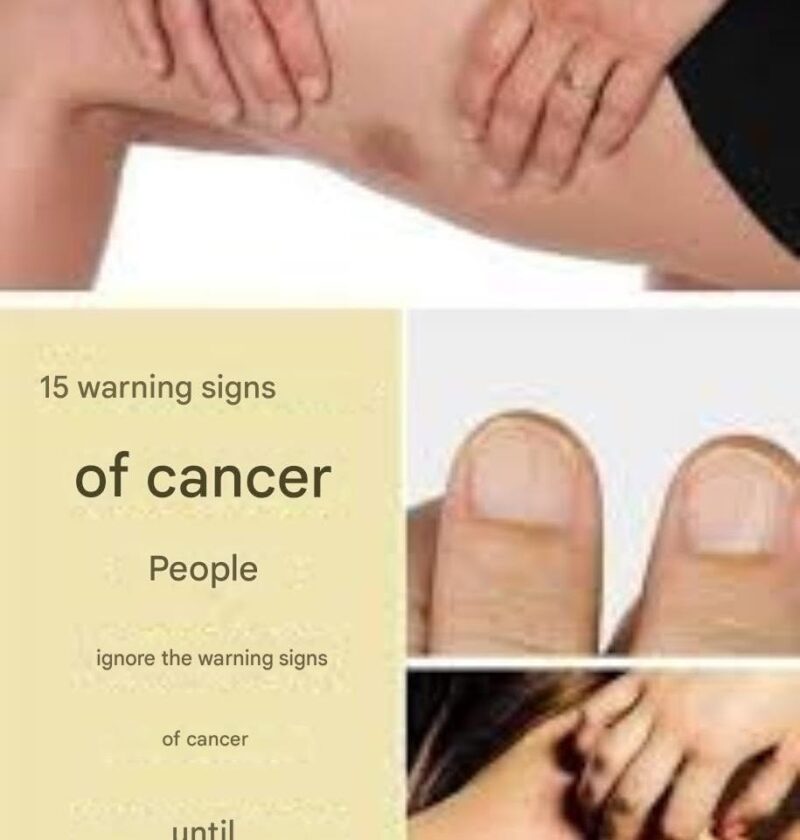
The phrase “15 early warning signs of cancer that are ignored until it’s too late” is a common online headline, but the reality is more nuanced: many of these symptoms can be caused by conditions other than cancer. However, persistent, unexplained changes in your body should be checked by a healthcare professional, because finding cancer early can improve treatment options for many types.
Possible warning signs that deserve medical attention include:
- Unexplained weight loss
- Losing weight without changing diet or activity can be a sign of many conditions, including some cancers.
- Persistent fatigue
- Ongoing, unusual tiredness that doesn’t improve with rest.
- A new lump or swelling
- Especially one that is growing, hard, or doesn’t go away.
- Unexplained bleeding
- Blood in stool, urine, coughing up blood, or unusual vaginal bleeding should be evaluated.
- Changes in bowel habits
- Persistent constipation, diarrhea, changes in stool shape, or ongoing discomfort.
- Changes in bladder habits
- Blood in urine, pain, urgency, or significant changes in urination.
- A cough or hoarseness that won’t go away
- Especially if it lasts several weeks or is accompanied by blood or breathing problems.
- Difficulty swallowing
- Persistent trouble swallowing food or liquids.
- Persistent indigestion or abdominal discomfort
- Especially if new, severe, or associated with weight loss.
- Changes in skin appearance
- A mole that changes in size, shape, or color; a sore that doesn’t heal; unusual skin changes.
- Persistent pain without a clear cause
- New or worsening pain that does not resolve should be assessed.
- Night sweats or unexplained fevers
- Particularly if they are recurring or occur with other symptoms.
- Changes in appetite
- Long-lasting loss of appetite or feeling full unusually quickly.
- A sore or white/red patch that doesn’t heal
- Especially in the mouth, tongue, or throat.
- Repeated infections or unusual symptoms
- Persistent or recurrent problems that are not typical for yo