15 Hidden Atorvastatin Side Effects Your Doctor May Not Have Time to Mention (But You Deserve to Know Before Your Next Refill)
Important note: Atorvastatin (brand name often known as Lipitor) is a widely used statin medication that lowers LDL (“bad”) cholesterol and reduces the risk of heart attack and stroke. Many people take it safely for years. However, like all medicines, it can cause side effects. The goal is not to scare you away from treatment, but to help you recognize symptoms and know what to discuss with your healthcare professional.
1. Muscle Pain, Weakness, or Cramps (The Most Discussed Side Effect)
One of the most recognized atorvastatin side effects is muscle-related discomfort.
You may notice:
- Aching muscles
- Leg cramps
- Shoulder or back soreness
- Unusual weakness
- Difficulty climbing stairs or lifting objects
Most muscle symptoms are mild, but severe muscle pain, weakness, or dark-colored urine can be a warning sign of a rare condition called rhabdomyolysis, where muscle breakdown can damage the kidneys.
2. Unexplained Fatigue or Low Energy
Some people report feeling unusually tired after starting atorvastatin.
Possible experiences include:
- Less stamina during exercise
- Feeling drained despite adequate sleep
- Reduced energy throughout the day
Fatigue can have many causes, so it is important not to assume atorvastatin is always responsible. A doctor may check for other causes, such as thyroid problems, anemia, or vitamin deficiencies.
3. Liver Enzyme Changes
Atorvastatin is processed by the liver, and in some people it can increase liver enzymes.
Possible signs of liver problems may include:
- Yellowing of the skin or eyes
- Dark urine
- Severe unusual tiredness
- Loss of appetite
- Upper abdominal discomfort
Doctors may recommend blood tests to monitor liver function, especially when starting treatment or changing doses.
4. Digestive Problems
Some users experience stomach-related symptoms, such as:
- Nausea
- Diarrhea
- Constipation
- Indigestion
- Stomach discomfort
These effects are often temporary and may improve as your body adjusts.
5. Headaches
Headaches have been reported by some people taking atorvastatin.
A headache may be mild, but if you develop:
- Severe new headaches
- Headaches with vision changes
- Neurological symptoms
you should seek medical advice.
6. Sleep Problems or Strange Dreams
Some people report changes in sleep patterns, including:
- Trouble falling asleep
- Waking frequently
- Vivid dreams
The relationship between statins and sleep is still debated, but some individuals notice changes after starting therapy.
7. Memory or Concentration Changes
A small number of people have reported:
- Forgetfulness
- Trouble concentrating
- Feeling mentally “foggy”
Research has not shown a clear harmful effect of statins on memory for most people, and some studies suggest cardiovascular benefits may outweigh these concerns. However, if you notice a significant change after starting atorvastatin, discuss it with your healthcare provider.
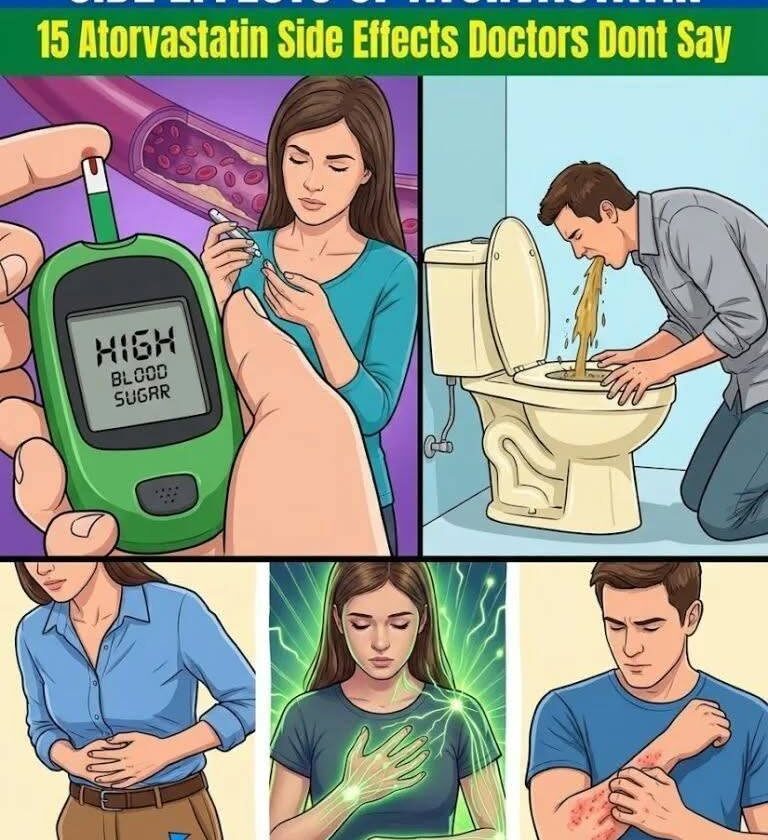
8. Increased Blood Sugar Levels
Statins, including atorvastatin, may slightly increase blood glucose levels in some people.
This may matter more if you already have risk factors for diabetes, such as:
- Prediabetes
- Obesity
- Family history of diabetes
Doctors generally consider the heart-protection benefits of statins to outweigh this small risk for people who need them.
9. Joint Pain
Some people experience aches that feel like joint problems rather than muscle pain.
Possible symptoms:
- Stiffness
- General body aches
- Discomfort in knees, hips, or hands
If new pain appears after starting atorvastatin, keep track of when it happens and whether it improves with changes in medication.
10. Nerve-Related Symptoms (Rare)
Rarely, people taking statins have reported symptoms that may involve nerves:
- Tingling
- Numbness
- Burning sensations in hands or feet
Other causes are common, so evaluation is needed before linking symptoms to atorvastatin.
11. Increased Risk of Bruising or Bleeding (Indirect Effects)
Some people notice they bruise more easily. This can be influenced by:
- Other medications (such as blood thinners)
- Age
- Platelet function
- Other health conditions
Always tell your doctor about all medicines and supplements you take.
12. Skin Reactions
Rarely, atorvastatin may cause allergic or skin-related reactions.
Seek medical attention for:
- Facial swelling
- Trouble breathing
- Severe rash
- Blistering skin
13. Changes in Sexual Function
Some individuals report changes in sexual health, such as:
- Reduced libido
- Erectile difficulties
The evidence is mixed, and cholesterol levels, blood vessel health, age, diabetes, and other medications can also affect sexual function.
14. Drug and Food Interactions
Atorvastatin can interact with certain substances.
Examples include:
- Grapefruit juice (especially large amounts)
- Some antibiotics
- Certain antifungal medications
- Some heart medications
- Certain supplements
These interactions can increase atorvastatin levels and raise the chance of side effects.
Always check before adding a new medication or supplement.
15. A Side Effect People Miss: Feeling “Different” After Dose Changes
Some people tolerate a low dose well but notice symptoms after increasing the dose.
Pay attention after:
- Starting atorvastatin
- Increasing your dose
- Adding another medication
Keeping a symptom diary can help your doctor determine whether atorvastatin may be contributing.
When Should You Contact a Doctor Quickly?
Contact a healthcare professional if you experience:
🚩 Severe muscle pain or weakness
🚩 Dark urine
🚩 Yellow skin or eyes
🚩 Severe allergic reaction symptoms
🚩 Unusual extreme fatigue
🚩 Significant changes in memory or daily functioning
Should You Stop Atorvastatin If You Notice Side Effects?
Do not stop atorvastatin suddenly without discussing it with your healthcare provider, especially if you are taking it to reduce cardiovascular risk.
Your clinician may consider options such as:
- Adjusting the dose
- Changing the timing of the dose
- Checking for medication interactions
- Trying another statin or cholesterol-lowering approach
Questions Worth Asking Before Your Next Refill
Consider asking:
- “Is my current atorvastatin dose still the right one for me?”
- “Should I have cholesterol or liver tests checked?”
- “Could any of my other medications increase side effects?”
- “Are my symptoms possibly related to atorvastatin?”
- “What warning signs should make me call you?”
Bottom line: Atorvastatin has strong evidence for preventing heart attacks and strokes in appropriate patients, but knowing possible side effects helps you make informed decisions and communicate better with your healthcare team.