1. Yellowing of the skin or eyes (jaundice)
A buildup of bilirubin can cause the skin and whites of the eyes to appear yellow.
2. Dark urine
Urine that becomes unusually dark despite adequate hydration can be a sign of liver problems.
3. Pale or clay-colored stools
Changes in bile flow can affect stool color.
4. Persistent fatigue
Ongoing tiredness or low energy can occur with many liver conditions.
5. Loss of appetite
A reduced desire to eat may be an early symptom.
6. Nausea or vomiting
Digestive symptoms can sometimes accompany liver disease.
7. Unexplained weight loss
Losing weight without trying may warrant medical evaluation.
8. Abdominal pain
Pain or discomfort, especially in the upper right side of the abdomen, can occur.
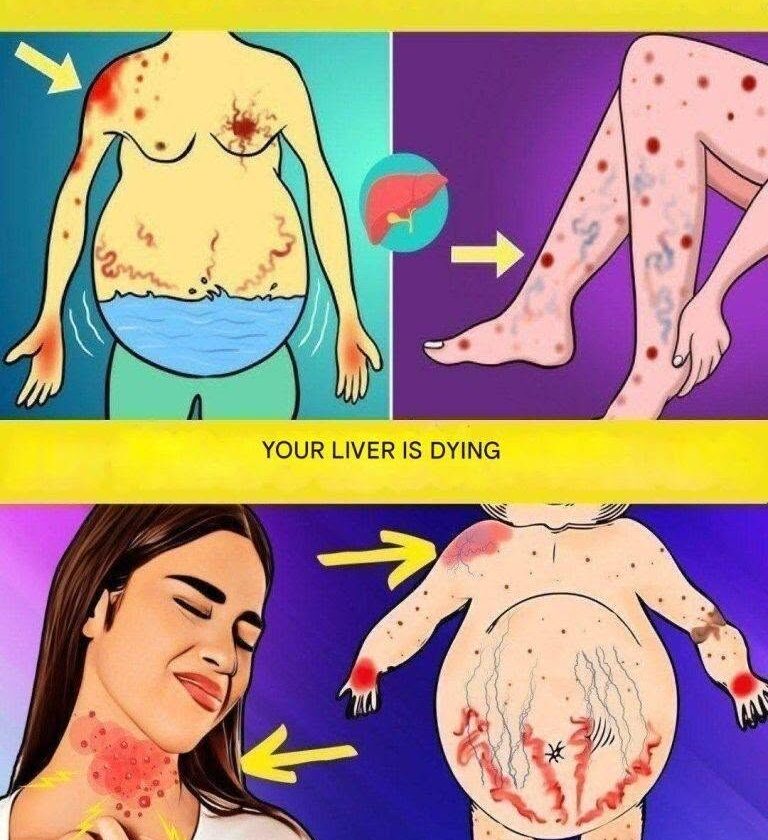
9. Abdominal swelling
Fluid accumulation in the abdomen can cause noticeable swelling.
10. Swelling in the legs or ankles
Fluid retention may lead to puffiness in the lower limbs.
11. Itchy skin
Persistent itching can occur when bile products build up in the body.
12. Easy bruising or bleeding
The liver helps make proteins involved in blood clotting.
13. Confusion or memory problems
Advanced liver disease can affect brain function and concentration.
14. Bad breath with a sweet or musty odor
This can occur in severe liver dysfunction.
15. Spider-like blood vessels on the skin
Small, branching blood vessels may appear on the face, neck, or chest.
16. Red palms
Unusual redness of the palms can sometimes be associated with liver disease.
17. Frequent infections
Some liver conditions can affect the body’s ability to fight infection.
Important
These symptoms do not automatically mean you have liver disease. Many can be caused by other conditions. However, if you experience several of these signs—especially jaundice, abdominal swelling, confusion, or unexplained bleeding—you should seek medical evaluation promptly.
When to Seek Urgent Care
Get immediate medical attention if you develop:
- Jaundice that appears suddenly
- Severe abdominal pain
- Vomiting blood
- Black, tarry stools
- Severe confusion or loss of consciousness
Early diagnosis and treatment can make a significant difference in managing liver disease and preventing complications.