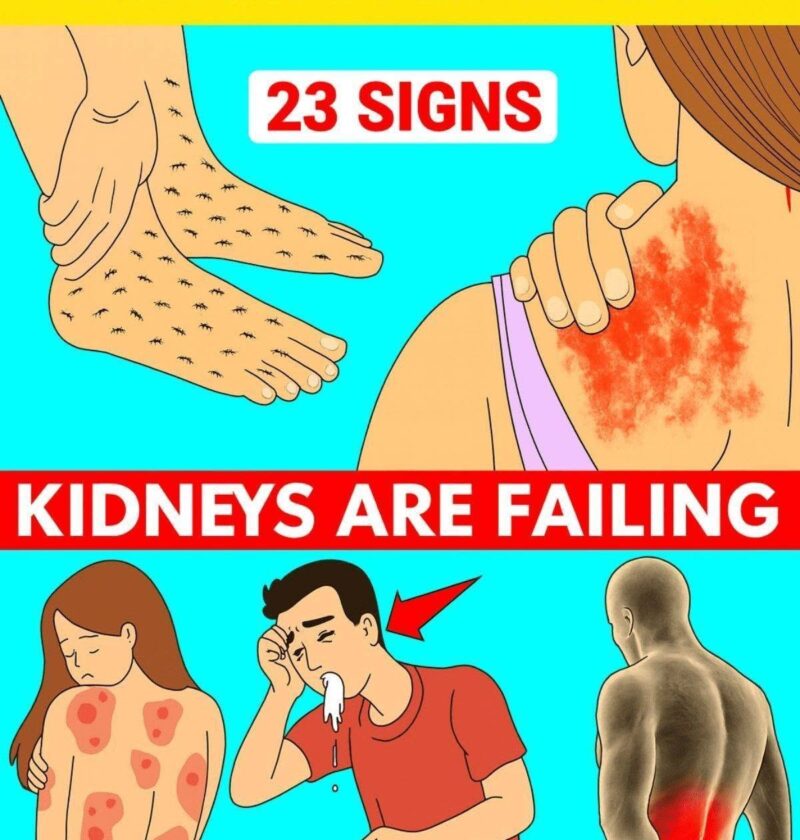
23 Strange Signs Your Kidneys Might Be in Trouble
The kidneys filter waste and extra fluid from the blood, help control blood pressure, balance minerals, and support healthy red blood cell production. Kidney problems can develop quietly, and early symptoms may be easy to miss.
Having one or more of these signs does not necessarily mean you have kidney disease, but persistent or worsening symptoms should be discussed with a healthcare professional.
1. Changes in Urination
Kidney problems may cause:
- Urinating more often, especially at night
- Urinating much less than usual
- A sudden increase in urgency
- Difficulty starting urination
2. Foamy or Bubbly Urine
Persistent foam in urine may sometimes indicate protein leaking into the urine, which can be a sign of kidney damage.
3. Blood in the Urine
Pink, red, or cola-coloured urine can have many causes, including infections, stones, or kidney conditions. Blood in urine should be checked.
4. Swelling in the Feet, Ankles, or Hands
When kidneys cannot remove enough fluid and salt, fluid may build up, causing swelling.
5. Puffy Eyes (Especially in the Morning)
Swelling around the eyes can sometimes be related to protein loss through the kidneys.
6. Persistent Fatigue
Damaged kidneys may contribute to tiredness due to:
- Anaemia (low red blood cells)
- Waste buildup in the body
- Poor sleep
7. Difficulty Concentrating or Feeling “Foggy”
Waste products accumulating in the blood can affect how some people feel mentally.
8. Loss of Appetite
Some people with kidney problems experience:
- Reduced hunger
- Changes in taste
- Food tasting metallic
9. Nausea or Vomiting
A buildup of waste products can cause digestive symptoms, especially in advanced kidney disease.
10. Itchy Skin
Kidney disease can affect mineral balance and may contribute to persistent itching.
11. Dry or Irritated Skin
Changes in fluid balance and mineral levels can affect skin health.
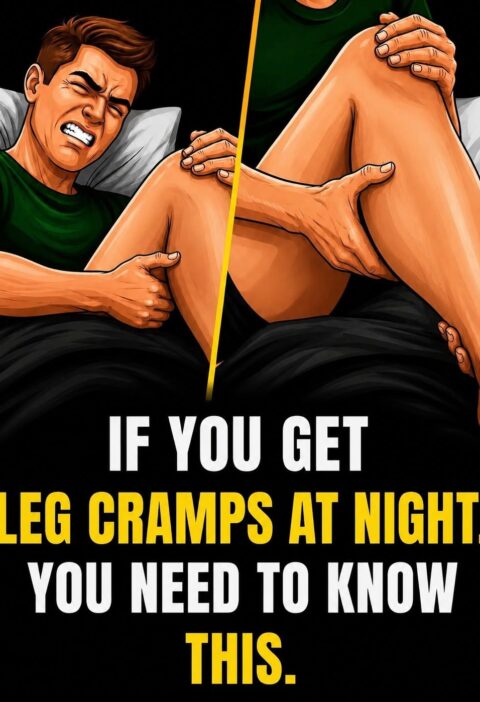
12. Muscle Cramps
Electrolyte imbalances may contribute to:
- Leg cramps
- Muscle twitching
- Weakness
13. Shortness of Breath
Fluid buildup or anaemia related to kidney disease can contribute to breathing difficulties.
14. High Blood Pressure
Kidneys and blood pressure are closely connected. Kidney problems can raise blood pressure, and high blood pressure can also damage kidneys.
15. Lower Back or Side Pain
Kidney stones, infections, or some kidney conditions may cause pain in the flank area (the sides of the back below the ribs).
16. Bad Breath or Unusual Taste
Some people with advanced kidney problems notice a metallic taste or ammonia-like breath.
17. Sleep Problems
Kidney disease may be associated with:
- Restless legs
- Difficulty sleeping
- Daytime tiredness
18. Feeling Cold More Often
Anaemia associated with kidney disease may make some people feel unusually cold.
19. Difficulty Managing Blood Sugar
Kidney disease and diabetes are closely linked. Diabetes is one of the leading causes of chronic kidney disease.
20. Changes in Skin Colour
Some people with advanced kidney disease may notice changes in skin tone or a duller complexion.
21. Frequent Urinary Tract Infections
Repeated infections may affect kidney health, especially if infections spread upward to the kidneys.
22. Unexplained Weight Changes
Fluid retention can cause weight gain, while advanced illness may contribute to weight loss and reduced appetite.
23. No Symptoms at All
One of the most important facts: early kidney disease often has no noticeable symptoms. Many people discover it through routine blood and urine tests.
Who Is at Higher Risk of Kidney Disease?
Risk is higher with:
- Diabetes
- High blood pressure
- Heart disease
- A family history of kidney disease
- Older age
- Smoking
- Long-term use of certain pain medicines (especially frequent NSAID use)
Ways to Protect Kidney Health
✅ Keep blood pressure controlled
✅ Manage blood sugar if you have diabetes
✅ Stay active
✅ Maintain a healthy weight
✅ Drink appropriate amounts of fluid (unless your doctor has advised restrictions)
✅ Avoid unnecessary use of painkillers such as NSAIDs
✅ Get regular check-ups if you are at higher risk