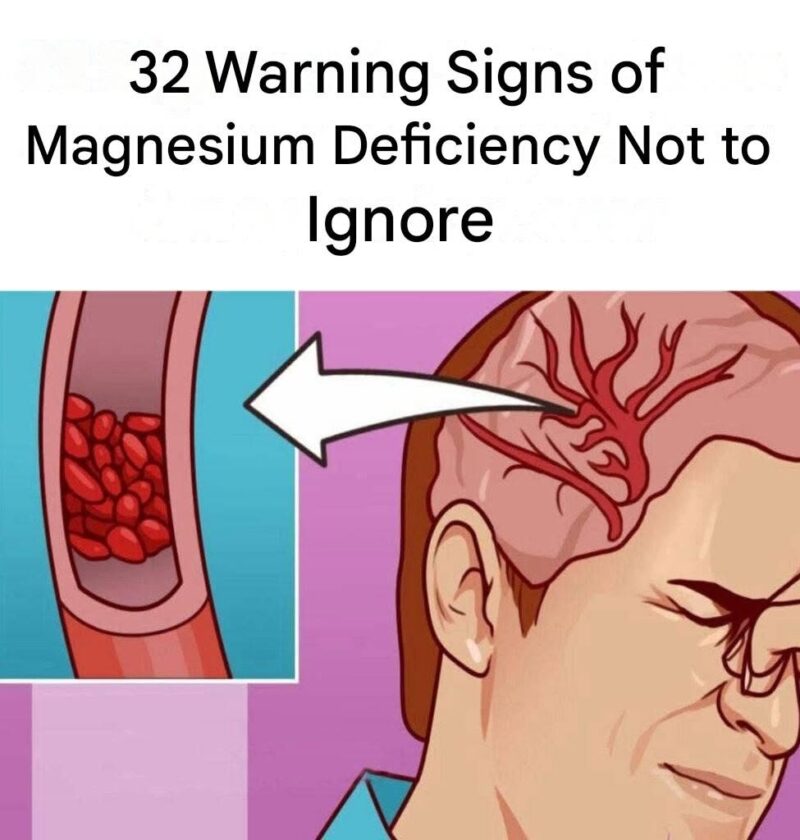
The headline “32 signs that indicate a magnesium deficiency, and 23 foods to eat right away” is a common health-style claim. Magnesium is an important mineral involved in muscle function, nerve signaling, energy production, and heart rhythm, but long lists of symptoms can be misleading because many of them have many possible causes.
Possible signs of magnesium deficiency
A true magnesium deficiency is not always obvious, but possible symptoms may include:
- Muscle cramps or spasms
- Twitching (such as eyelid twitching)
- Weakness or fatigue
- Numbness or tingling
- Changes in heart rhythm (in more severe cases)
- Poor appetite
- Nausea
- Sleep problems
- Irritability or mood changes
Severe deficiency is uncommon in healthy people and is more likely with certain conditions, such as:
- Chronic diarrhea or digestive disorders
- Alcohol use disorder
- Certain kidney conditions
- Long-term use of some medications (for example, some diuretics or acid-reducing medicines)
Magnesium-rich foods
Good dietary sources include:
- Pumpkin seeds
- Almonds
- Cashews
- Peanuts
- Spinach and other leafy greens
- Black beans
- Kidney beans
- Lentils
- Chickpeas
- Whole grains (such as brown rice and oats)
- Quinoa
- Avocado
- Dark chocolate (in moderation)
- Tofu
- Yogurt and some dairy foods
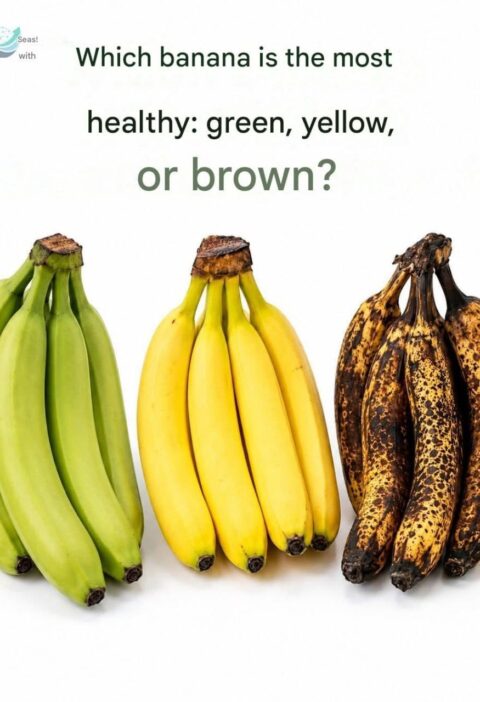
- Bananas
- Salmon and some other fish
- Chia seeds
- Flaxseeds
- Sesame seeds
- Edamame
- Potatoes (especially with skin)
- Fortified foods (depending on the product)
Should you take a magnesium supplement?
Not everyone needs one. Too much supplemental magnesium can cause diarrhea, low blood pressure, or other problems, and people with kidney disease should be especially careful.
If you suspect a deficiency—especially with persistent cramps, weakness, heart rhythm symptoms, or a medical condition that affects absorption—it’s best to discuss it with a healthcare professional.
A balanced diet with a variety of whole foods is usually the safest way to maintain healthy magnesium levels.