What it means
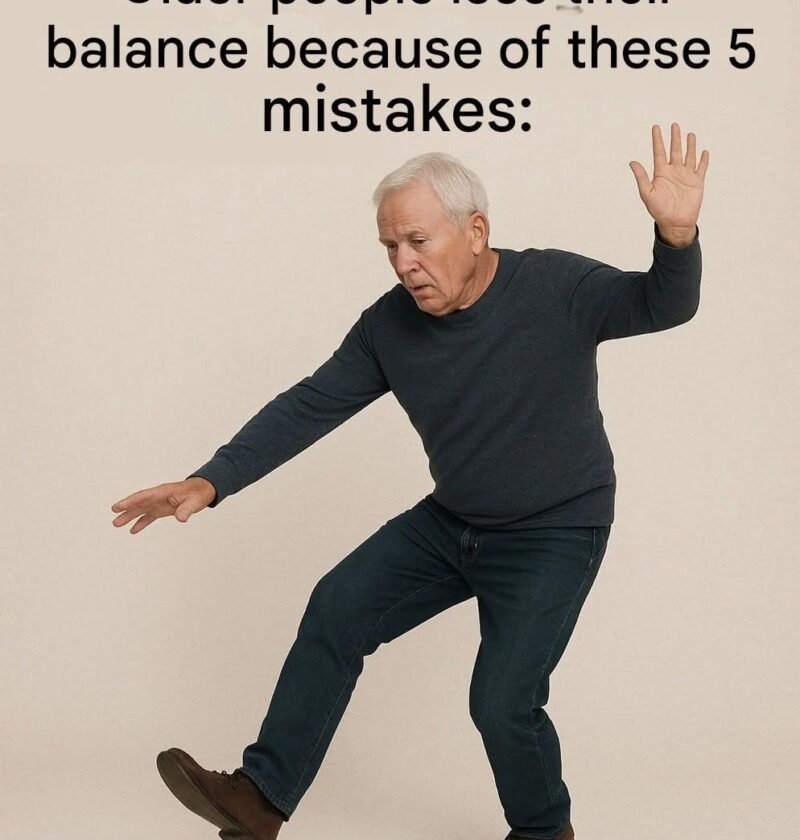
Loss of balance can happen for many reasons, including changes in strength, vision, coordination, medications, and the home environment. The word “mistakes” in the headline is often used for attention; many balance problems are not simply due to mistakes but to a combination of health and environmental factors.
Common factors that can contribute to balance problems
1. Not staying physically active
- Reduced leg strength and flexibility can make it harder to steady the body.
- Balance exercises, walking, and strength training (when appropriate) can help maintain mobility.
2. Ignoring vision problems
- Poor eyesight can make it harder to judge steps, obstacles, and uneven surfaces.
- Regular eye checks can help identify issues.
3. Wearing unsafe footwear
- Slippery soles, loose slippers, or poorly fitting shoes can increase fall risk.
- Supportive, well-fitting shoes are usually safer.
4. Taking medications without reviewing side effects
Some medicines may contribute to dizziness, drowsiness, or low blood pressure. Regular medication reviews with a healthcare professional can help identify concerns.
5. Having a risky home environment
Common hazards include:
- Loose rugs
- Poor lighting
- Cluttered walkways
- Lack of grab bars in bathrooms
- Slippery floors
Other causes of balance problems
Balance issues may also be linked to:
- Inner ear conditions
- Muscle weakness
- Nerve problems
- Joint problems
- Low blood pressure
- Certain neurological conditions
When to seek medical advice
A healthcare professional should evaluate balance problems that are:
- New or suddenly worse
- Associated with dizziness, fainting, weakness, numbness, or speech changes
- Causing repeated falls
Overall meaning:
“The headline highlights everyday factors that may increase fall risk and encourages older adults and caregivers to take steps to improve safety and stability.”