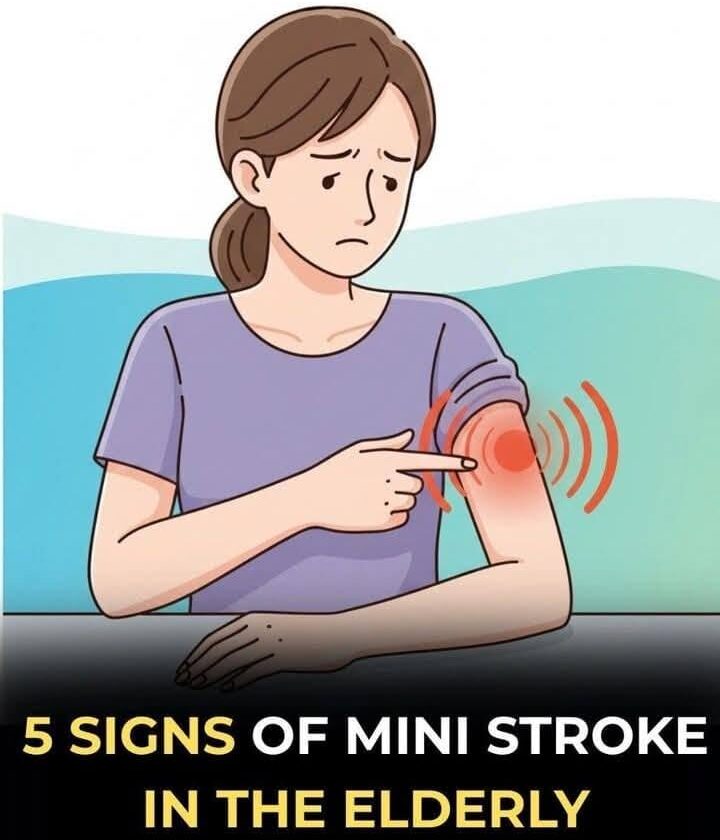
A mini-stroke, medically called a Transient Ischemic Attack (TIA), occurs when blood flow to part of the brain is temporarily blocked. Symptoms can last minutes to hours and then resolve, but a TIA is a medical emergency because it can be a warning sign of a future stroke.
5 common signs of a mini-stroke in older adults
- Sudden weakness or numbness on one side of the body
- Face, arm, or leg may feel weak, heavy, or numb.
- One side of the face may droop when smiling.
- Difficulty speaking or understanding speech
- Slurred speech.
- Trouble finding words.
- Confusion when listening to others.
- Sudden vision changes
- Blurred vision.
- Double vision.
- Temporary loss of vision in one or both eyes.
- Problems with balance, coordination, or walking
- Unexplained dizziness.
- Stumbling or loss of coordination.
- Difficulty maintaining balance.
- Sudden severe confusion or altered thinking
- Difficulty concentrating.
- Sudden disorientation regarding time, place, or familiar people.
Use the FAST test
A quick way to recognize a possible stroke or TIA is FAST:
- Face drooping
- Arm weakness
- Speech difficulty
- Time to call emergency services
Why it matters
Even if symptoms disappear completely, a TIA should not be ignored. The risk of a full stroke is highest in the hours and days after a TIA. Prompt medical evaluation can help identify the cause and reduce the risk of a more serious stroke.
Seek emergency care immediately if someone develops:
- Sudden weakness or numbness
- Trouble speaking
- Sudden vision loss
- Severe dizziness or inability to walk
- Any other sudden neurological symptoms
Do not wait for symptoms to go away before seeking help. A healthcare professional can determine whether the event was a TIA, a stroke, or another condition with similar symptoms.