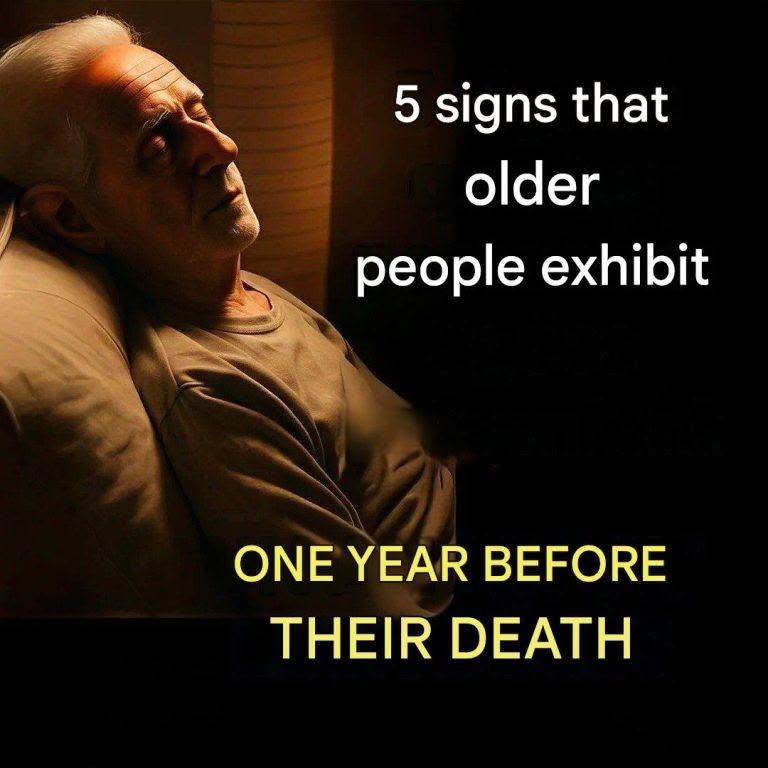
5 signs an older person may need more care and attention
These signs don’t necessarily mean someone needs full-time care, but they shouldn’t be dismissed as simply “getting old.” The National Institute on Aging recommends paying attention to changes in daily functioning, health, mood, and memory.
N
National Institute on Aging
Difficulty managing everyday tasks — Trouble preparing meals, bathing, dressing, using the toilet, cleaning, or managing medications can signal that additional support is needed.
N
National Institute on Aging
Increasing falls or difficulty walking — New balance problems, unsteadiness, or repeated falls deserve attention because mobility problems can substantially increase injury risk.
M
MedlinePlus
New or worsening confusion or memory problems — Significant changes in thinking, personality, judgment, or memory aren’t necessarily normal aging and should be medically evaluated.
N
National Institute on Aging
Unexplained weight loss, poor hygiene, or changes in eating — These can indicate difficulty caring for oneself, inadequate nutrition, depression, or an underlying illness.
N
National Institute on Aging
+1
Withdrawal, loneliness, or major mood changes — Social isolation and depression can affect an older person’s ability to function and care for themselves. A sudden or severe change warrants attention.
N
National Institute on Aging
When it’s urgent
Sudden confusion, inability to walk, a new weakness, trouble speaking, loss of consciousness, severe breathing difficulty, or other sudden neurological changes require urgent medical assessment. Don’t assume a sudden change is just part of aging.
N
M
Sources