8 Habits You Should Stop This Year If You Are Taking Amlodipine – And Why
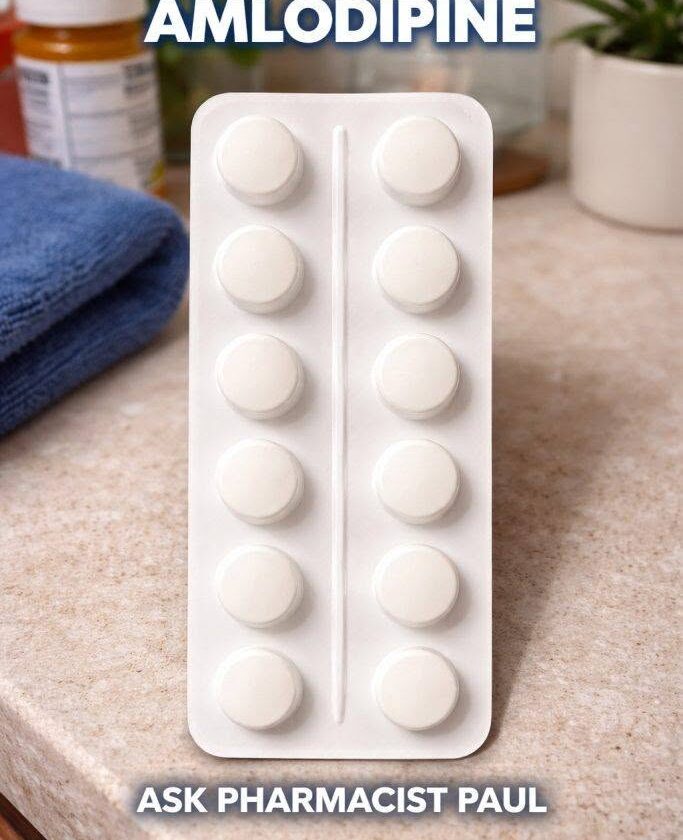
Amlodipine is a commonly prescribed medicine used to help control high blood pressure and treat certain heart-related conditions. While it is generally well tolerated, some habits can reduce its effectiveness, increase side effects, or make blood pressure harder to manage.
1. Stop skipping doses
Amlodipine works best when taken consistently. Missing doses can allow blood pressure to rise again and may reduce the protection it provides for your heart and blood vessels.
2. Stop taking it at random times
Try to take amlodipine at the same time each day. An irregular routine can make it harder to remember doses and maintain steady medication levels.
3. Stop eating too much salty food
High salt intake can raise blood pressure and make it harder for amlodipine to do its job. Limit heavily salted foods, processed snacks, and fast foods.
4. Stop smoking
Smoking damages blood vessels and increases the risk of heart attack and stroke. Even if amlodipine controls blood pressure, smoking continues to put strain on the cardiovascular system.
5. Stop drinking excessive alcohol
Too much alcohol can raise blood pressure and may worsen side effects such as dizziness, flushing, or lightheadedness.
6. Stop ignoring ankle or leg swelling
Swelling around the ankles or feet is a known side effect of amlodipine. If it is persistent, uncomfortable, or worsening, discuss it with a healthcare professional rather than ignoring it.
7. Stop using supplements or medicines without checking
Some over-the-counter medicines, herbal products, or supplements may affect blood pressure or interact with your treatment. Ask a pharmacist or doctor before adding new products.
8. Stop living a completely inactive lifestyle
Regular physical activity, a balanced diet, maintaining a healthy weight, and managing stress can support blood pressure control alongside medication.
Important reminders:
- Do not stop amlodipine suddenly without medical advice, even if you feel well.
- Blood pressure can be high without noticeable symptoms.
- Regular blood pressure checks help confirm that your treatment is working.
If you experience severe dizziness, fainting, chest pain, worsening shortness of breath, or signs of an allergic reaction, seek medical care promptly.